The Daily Struggle of Living with Constant Facial Redness
Let's be honest, waking up and seeing a bright red, angry face in the mirror is the absolute worst way to start your day. I used to spend twenty minutes just trying to cover up the flush on my cheeks with heavy makeup, only to have it burn and sting by lunchtime. If you are tired of your face feeling hot, tight, and completely out of control, I get it. Let's fix this together without buying another useless, expensive cream.
Even a simple splash of water or a mild gust of wind can cause a painful stinging sensation. This constant irritation makes you feel like your skin is always under attack. For many of us, this is not just a temporary annoyance, but a daily physical and emotional struggle that affects our self-esteem.
Why Finding the Right Relief Feels So Difficult
Many people try their best to fix this issue but end up making it worse. Here is why the search for a real solution often fails:
- We get overwhelmed by trendy beauty advice online and try too many complicated products at the same time.
- Many popular skincare items contain hidden drying alcohols, synthetic perfumes, and strong acids that destroy a weak skin barrier.
- We often make the mistake of scrubbing our face too hard, thinking the redness is caused by dirt or dead skin.
- People frequently switch their skincare products every few days, never giving their skin enough time to rest and heal.
The Hidden Impact on Your Confidence and Peace of Mind
- You might find yourself avoiding social events or important work presentations because you feel highly self-conscious about your red cheeks.
- The natural urge to hide the redness under thick layers of heavy makeup often clogs your pores and triggers even worse flare-ups.
- You end up spending a large amount of hard-earned money on expensive products that promise overnight miracles but deliver nothing.
- The constant worry about what might trigger your skin next creates a state of daily stress and anxiety.
Understanding Your Redness Triggers
Think of your skin as a very sensitive weather station. It reacts to everything around you, from the spicy food you eat to the temperature changes in your home.
When you step outside into the cold air, or when you take a hot shower, your blood vessels expand rapidly. For normal skin, these vessels shrink back down quickly. However, for sensitive skin, they stay dilated, leaving you with a persistent flush.
By learning to identify these everyday triggers, you can take control of your environment. This allows you to protect your skin before the redness even starts.
The Weak Brick Wall Analogy
To heal your skin, you must first understand how it works. Think of your outer skin layer as a protective brick wall. In healthy skin, the skin cells are the bricks, and natural lipids or fats act as the strong mortar holding them together.
When you have sensitive skin prone to redness, that mortar is cracked, weak, and full of tiny gaps. Moisture easily leaks out, causing extreme dryness, while irritants and bacteria easily slip inside, causing inflammation.
Once we accept that our goal is simply to repair this broken wall, our skincare choices become much clearer and safer.
My Personal Cheat Sheet: What to Look For (And Avoid)
| 🟢 Skin Savers (Buy These) | 🔴 Fire Starters (Avoid These) |
| :--- | :--- |
| Ceramides: Fills the cracks in your skin barrier. | Witch Hazel: Strips your sensitive skin totally dry. |
| Centella Asiatica (Cica): Instantly cools down redness. | Essential Oils: Smells great, but burns sensitive faces. |
| Colloidal Oatmeal: Soothes that tight, itchy feeling. | Glycolic Acid: Way too harsh for a damaged barrier. |

Your Quick Redness Relief Plan
- Ditch the foam: Swap out harsh foaming washes for a gentle, milky cleanser that will not strip your skin.
- Rebuild the wall: Use a thick cream packed with ceramides to fix your broken skin barrier.
- Block the heat: Switch to a mineral sunscreen (look for zinc oxide) to stop UV rays from cooking your face.
- Cool it down: Stop eating extremely hot or spicy foods that instantly trigger a facial flush.
A Simple Three-Step Blueprint to Calm and Protect Your Skin
Now that we understand the root cause of the irritation, let us look at three practical, gentle steps you can start tonight. These steps focus on rebuilding your protective barrier and keeping irritants far away.
Step 1: Wash Your Face with Ultimate Care and Gentleness
The foundation of any good skincare routine is cleansing, but sensitive skin requires a very gentle touch. Many of us grew up using harsh foaming washes that left our skin feeling tight and squeaky clean.
That tight feeling is not a sign of cleanliness; it is a warning sign that you have stripped away your skin's natural moisture. When you wash away those natural oils, you leave your weak skin barrier completely exposed to the harsh elements.
To prevent this, you should switch to a non-foaming, creamy, or milky cleanser. These gentle formulas are designed to remove daily dirt and sweat without disturbing the protective fats in your skin.
Imagine cleaning a delicate silk fabric; you would never use harsh laundry detergent and scrub it roughly. Your face deserves that same level of respect and soft care.
When washing your face, always use lukewarm water. Hot water acts like a solvent, melting away your skin's natural defensive oils and increasing redness.
Also, completely avoid using washcloths, facial brushes, or textured scrubs. Your bare, clean fingers are the absolute gentlest tools you can use to massage your skin.
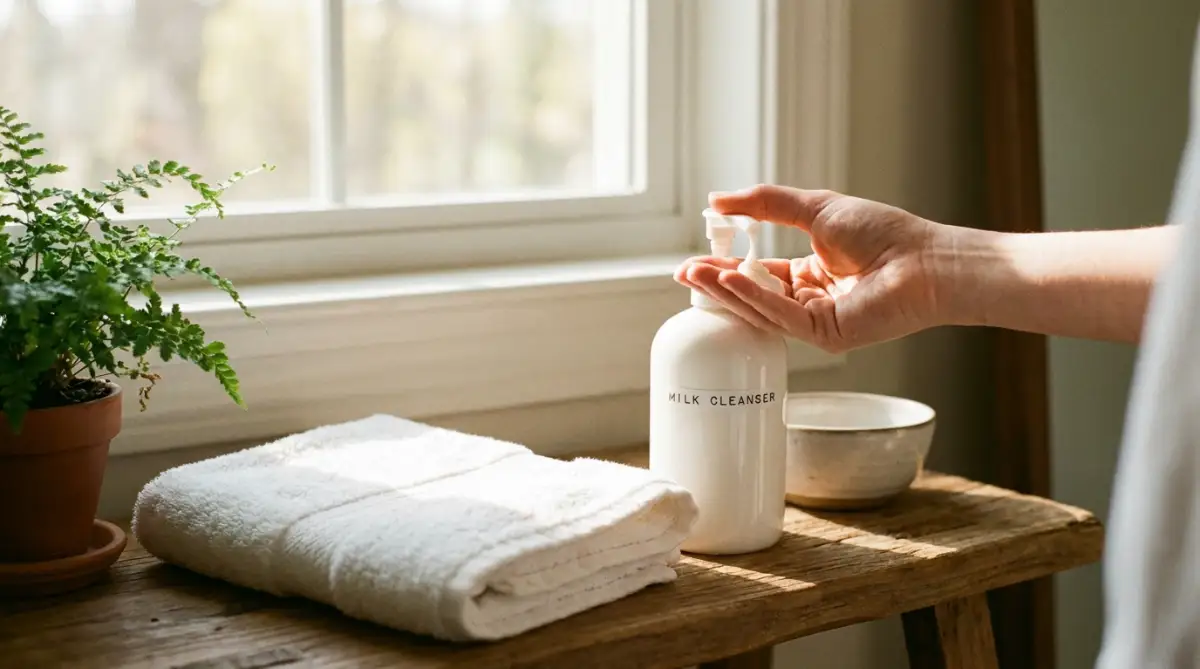
Gently massage the creamy cleanser onto your face using light, circular motions for no more than thirty seconds, then rinse thoroughly. When you are done, do not rub your face with a rough towel.
Step 2: Hydrate and Rebuild Your Weak Skin Barrier
Applying moisturizer to damp skin is one of the most effective ways to lock in hydration and speed up the healing process. When your skin is slightly wet, it acts like a sponge, drawing the beneficial ingredients of your moisturizer deep into the outer layer.
For redness-prone skin, you must choose your moisturizer very carefully. Look for products that are explicitly labeled as fragrance-free and formulated for sensitive skin.
You want to see ingredients like ceramides, fatty acids, and cholesterol on the label. Remember our brick wall analogy?
Ceramides act as the fresh cement that fills in the cracks between your skin cells, locking in moisture and keeping irritants out. Another highly beneficial ingredient is centella asiatica, which is often called cica.
This botanical extract has been used for centuries to calm irritated skin and reduce visible redness. We must also discuss a very common mistake: using too many different serums and treatments at once.
When your skin is red and angry, it does not need strong active chemicals or exfoliating acids. These ingredients are far too aggressive for a compromised barrier and will only make your face redder.
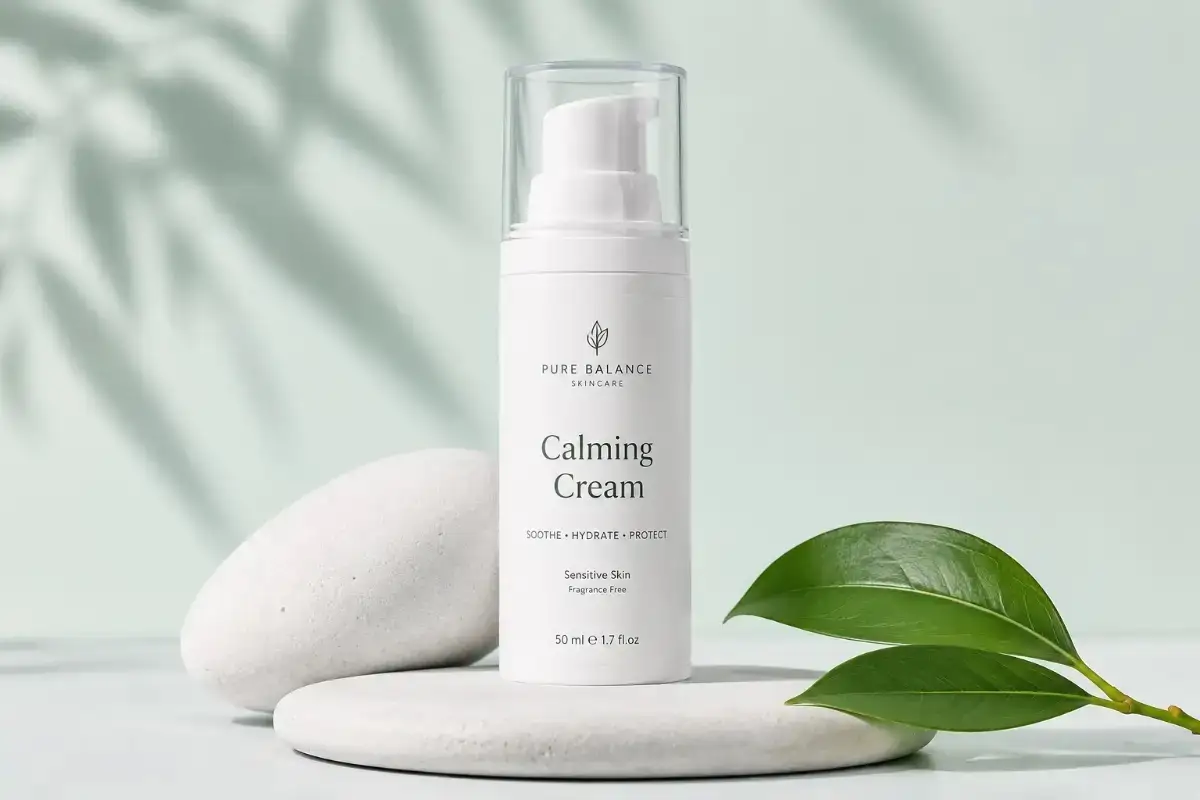
Keep your routine incredibly simple: a gentle cleanser and a deeply hydrating, ceramide-rich cream. Apply a generous layer of this soothing cream every morning and night to give your skin the continuous hydration it needs to rebuild itself.
Step 3: Protect Your Face Daily with a Gentle Mineral Shield
Sunlight is perhaps the most common and powerful trigger for sudden skin redness. The ultraviolet rays from the sun penetrate deep into your skin, creating heat and damaging your fragile blood vessels.
This means that skipping sunscreen, even on a cloudy winter day, can undo all the progress you make with your cleansing and moisturizing. However, choosing the wrong sunscreen can cause a burning sensation on sensitive skin.
This is because traditional chemical sunscreens work by absorbing UV rays and turning them into heat inside your skin. For a face that is already red and hot, this extra heat can trigger a major flare-up of inflammation.
To avoid this, you should always choose a mineral sunscreen, also known as a physical sunscreen. Mineral sunscreens contain active ingredients like zinc oxide and titanium dioxide.
Instead of absorbing into your skin, these minerals sit on top of your face, acting like a physical shield that reflects the sun's rays away. Think of zinc oxide as a pair of protective sunglasses for your entire face.
Additionally, zinc oxide is a well-known skin protectant that has natural soothing and anti-inflammatory properties, which is why it is used in baby creams. Every morning, apply a generous, even layer of mineral sunscreen as the final step of your skincare routine, and let it protect your skin throughout the day.
Real Talk: Does Sunscreen Actually Cure Redness?
You might be wondering: "Is sunscreen really going to make my face less red?"
My honest answer: It will not magically cure the redness overnight, but think of it this way: UV rays act like a daily microwave for your skin. If you do not block that heat with a mineral shield, your calming creams are basically useless. Zinc oxide is my absolute favorite because it actively reduces inflammation while blocking the sun.
How to Patch Test New Products Safely
Before you apply any new cream or cleanser to your entire face, it is highly recommended to perform a simple patch test. This is a very safe way to ensure your skin will not react poorly to a new formula.
To do this, apply a small, dime-sized amount of the product to a discreet area, such as behind your ear or on your inner wrist. Leave it on for twenty-four hours and monitor the area closely for any signs of itching, redness, or burning.
If your skin remains calm and clear, you can feel much more confident applying it to your face. This simple, cautious step can save you from days of painful skin irritation and regret.
Advanced Strategies to Calm Redness and Strengthen Your Skin
Once you have mastered the basic steps of washing, moisturizing, and protecting your face, you can introduce advanced habits to speed up your recovery. These extra steps will help you target the deeper causes of facial flushing and irritation. By making these methods a regular part of your life, you can build a highly resilient protective barrier.
Step 4: Control the Temperature of Your Immediate Environment
Your skin reacts instantly to the air around you, especially when it is dry or extremely hot. Many people do not realize that dry indoor heating during cold months can sap the moisture directly out of their face. This dry air causes your blood vessels to dilate and triggers immediate irritation.
To fix this, I highly recommend placing a cool-mist humidifier in your bedroom or office. This simple device adds gentle moisture back into the air, keeping your skin hydrated while you sleep or work.
Also, try to avoid sitting too close to fireplaces, heaters, or car vents that blow hot air directly onto your face. When you take a bath, make sure the room is well-ventilated so that hot steam does not collect on your sensitive skin.
Step 5: Master the Art of Product Layering and Wait Times
Applying your skincare products in the wrong order or too quickly can cause serious friction and irritation. If you apply a heavy cream first, your skin will not be able to absorb any lighter soothing serums you put on top. This causes the products to sit on the surface, which can trap heat and make your face look flushed.
Always apply your products starting with the thinnest consistency and ending with the thickest consistency. For example, apply your lightweight soothing serum first, and then lock it in with your thick moisturizer.
Most importantly, wait at least two minutes between each application step to allow your skin to fully absorb each layer. This quiet pause prevents your products from mixing in an unstable way, which can trigger sensitivity.
Step 6: Cool Your Skin from the Inside Out
What you put into your body has a direct impact on how your skin looks and feels. When you consume very hot drinks, spicy food, or alcohol, your internal temperature rises quickly. This sudden heat causes your facial blood vessels to swell, leading to an immediate red flush.
You do not have to give up your favorite foods entirely to see a positive change. Instead, let your hot soup or morning coffee cool down to a warm temperature before you enjoy it.

Try reducing the amount of hot peppers you use in your meals, replacing them with cooling herbs like parsley or mint. Drinking plenty of ice-cold water throughout the day is also an excellent way to keep your body temperature stable.
How to Maintain Calm and Balanced Skin for the Long Term
Keeping your skin calm is not about finding a temporary fix; it is about building sustainable daily habits. You must accept that your sensitive skin requires a consistent, gentle approach every single day.
I recommend keeping a simple paper journal to track your skin flare-ups alongside what you ate or what the weather was like that day. This will help you identify your unique personal triggers so you can avoid them in the future.
Always adjust your skincare routine slightly as the seasons change throughout the year. For example, you might need a heavier cream during dry cold months and a lighter lotion during humid warm months.

Five Dangerous Skincare Mistakes That Make Redness Worse
When we are desperate to fix our skin, we often make hasty decisions that cause more harm than good. Avoiding these common pitfalls is just as important as using the right products. Below is a list of the most frequent mistakes that can ruin your progress.
1. Scrubbing and Exfoliating to Clear Your Skin Tone
Many people believe that their red, uneven skin tone is caused by dead cells that need to be scrubbed away. They buy harsh facial scrubs with rough particles or chemical peeling acids to deeply clean their pores.
This is highly dangerous because physical friction acts like sandpaper on a weak skin barrier. It tears open the microscopic defenses of your skin, causing painful inflammation and permanent redness.
2. Mixing Too Many Strong Chemical Treatments
It is easy to get excited about modern anti-aging ingredients like retinol, vitamin C, and salicylic acid. However, applying these strong active chemicals to a red, sensitive face is like throwing fuel on a fire.
These ingredients are designed to speed up cell turnover, which is too aggressive for an already irritated skin barrier. You must put all strong anti-aging or acne treatments on hold until your skin barrier is fully repaired and healthy.
3. Believing Every Organic or Natural Product is Safe
We often assume that if a product is labeled organic or natural, it must be gentle on our face. Unfortunately, many natural products are loaded with essential oils like lavender, peppermint, and tea tree oil.
These plant extracts contain natural fragrance compounds that are highly irritating to sensitive skin. Always choose plain, fragrance-free products over heavily scented natural oils.
4. Creating Excessive Physical Friction on Your Face
The way you handle your face during your daily routine matters just as much as the products you buy. Rubbing your skin dry with a rough bath towel or using abrasive cotton pads to apply toner causes constant physical irritation.
This repeated pulling and rubbing stretches your fragile facial capillaries, making them look permanently red and visible. Always use a very soft touch and treat your face like a delicate surface.
5. Giving Up on a New Routine After Only a Few Days
Your skin cells take about twenty-eight days to naturally renew themselves and heal. Many people start a gentle routine but give up after three days because they do not see an immediate change.
They quickly switch to another product, which confuses and overwhelms their sensitive skin. You must give your new, simple routine at least a month to show real, lasting improvements.
The Hidden Dangers of Ignoring These Skincare Pitfalls
Over time, your fragile blood vessels can stretch so much that they break, leaving tiny, permanent red lines on your nose and cheeks. Protect your skin today by choosing gentleness over aggressive treatments.
Your Roadmap to Confident and Comfortably Soothed Skin
Healing your sensitive skin is a journey that requires patience, understanding, and a gentle touch. You do not need a cabinet filled with expensive products to achieve a calm, healthy, and beautiful complexion. By focusing on a simple routine and avoiding harsh triggers, you are giving your skin the exact space it needs to repair itself.
Remember that consistency is your greatest strength on this healing path. Every time you choose a gentle creamy cleanser, apply a soothing moisturizer, or wear your physical mineral shield, you are helping to rebuild your protective barrier.
Be patient with your progress and celebrate the small improvements you notice along the way. Your skin has an incredible natural ability to heal itself when you give it the right, gentle care. Start your simple, calming routine tonight and enjoy the wonderful comfort of a happy, balanced face.