
The Quiet Frustration Behind the Screen
Imagine this familiar scene. You sit down at your desk on a Monday morning, holding a fresh cup of coffee. You have a massive list of tasks to finish before noon.
Everywhere you look online, people are shouting about how smart technology can do your work in seconds. So, you open a popular chat tool, hoping it will magically organize your emails, write your reports, and give you your life back.
But thirty minutes later, you are staring at the screen in pure frustration. The machine gave you robotic answers, misunderstood your simple instructions, and completely messed up the tone of your email.
Instead of saving time, you just wasted half an hour arguing with a computer program. You end up deleting everything and doing the work yourself.
This exact situation is quietly burning people out every single day. We are told that these modern digital assistants are perfect out of the box. We believe the internet hype that promises a stress-free, four-hour workday.
When the tool fails to read our minds, we blame ourselves. We think we are just not smart enough to use the technology properly.
This creates a heavy mental burden. You feel left behind while everyone else seems to be effortlessly speeding through their tasks. Your mental peace is slowly destroyed by the pressure to be a completely automated, hyper-productive machine.
But what if the problem is not you? What if the promises you have been sold are simply built on massive misunderstandings?
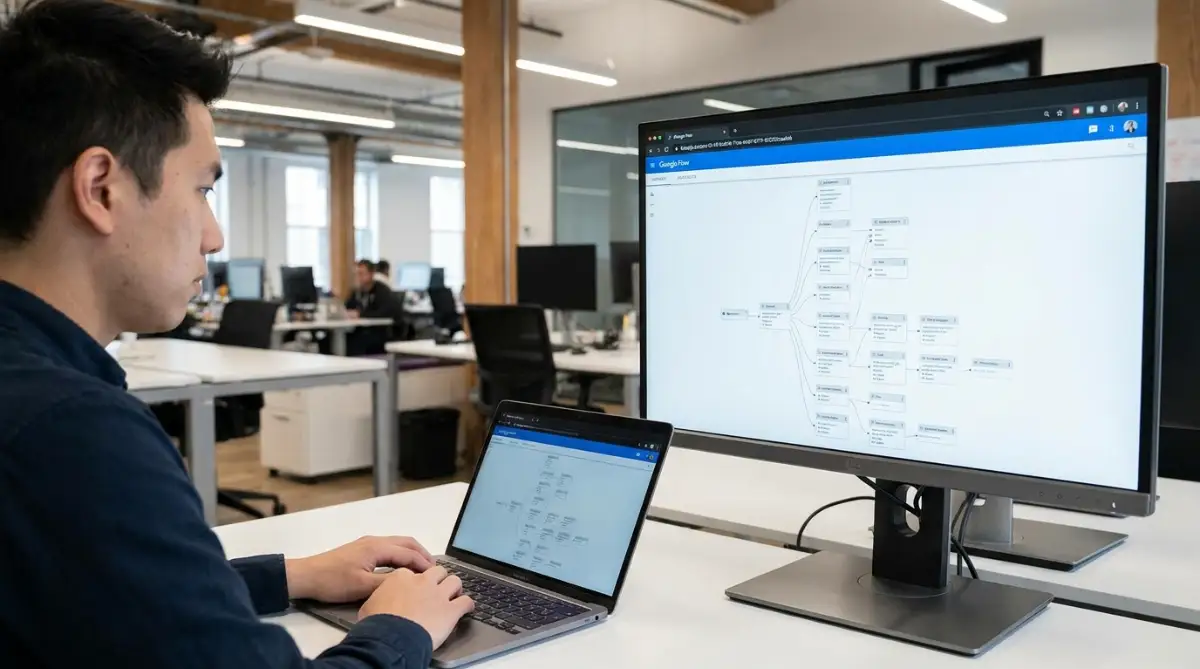
Decoding the "Magic Wand" Illusion
Most of us treat new technology like a magic wand. We assume we can just wave it at our problems, and the problems will vanish.
This is the very first mental block we need to tear down. Smart technology is not a magic wand; it is more like a highly advanced piece of gym equipment.
If you buy a shiny new treadmill, placing it in your bedroom does not automatically make you lose weight. You still have to put on your running shoes and sweat.
The same logic applies to digital productivity tools. They require your energy, your direction, and your continuous input to actually generate good results.
Let us look closely at how this misconception ruins our daily planning. You might ask an app to "write a schedule for my week." The app quickly spits out a rigid, minute-by-minute timetable.
But it does not know that you get sleepy around 2 PM. It does not know that your child needs picking up at a random time on Thursdays.
Because you expected magic, you try to follow this impossible, machine-generated schedule. When you inevitably fail by Tuesday afternoon, you feel terrible about yourself.
The Hidden Cost of Instructions
People often forget that managing an automated system takes actual brainpower. This is what experts call "cognitive load."
Think of these smart programs as very eager, but very literal interns. They want to help you, but they know absolutely nothing about your personal life or your specific job.
If you give a new intern a lazy, one-sentence instruction, you will get poor work in return. You have to spend time explaining the context, the goal, and the expected tone.
Many users skip this exact step. They type five words into a prompt and expect a masterpiece. When they get garbage back, they assume the tool is useless.
Learning how to properly communicate with these systems is a brand-new skill. It takes patience, trial, and error.
Expert Insight: Do not expect a machine to understand your unsaid thoughts. If you want a specific outcome, you must provide the specific ingredients. Treat your prompts like a detailed recipe, not a quick text message to a friend.
Expectation vs. Reality Check
Let us break down a few common daily scenarios. Seeing the difference between what we expect and what actually happens can save you hours of headache. The Task You Want Done Your Mental Expectation The Actual Reality You Face
Writing a polite email One click and the perfect message is sent. You have to read it twice and fix the robotic, weirdly formal tone.
Summarizing a long report It will instantly tell me exactly what matters. It might miss the one specific detail your boss actually cares about.
Brainstorming dinner ideas It will plan my meals perfectly for the week. You still have to check your fridge, adjust for allergies, and actually cook.
This table shows a clear pattern. The machine handles the heavy lifting of generating raw words or ideas, but the human must always act as the editor.
Why the "Instant Speed" Myth is Dangerous
Another massive trap is believing that technology will make everything happen instantly. Yes, a computer can generate five paragraphs of text in three seconds.
But speed does not always equal quality. If you are rushing through your daily tasks just because the machine works fast, you are going to make embarrassing mistakes.
Imagine you are using a tool to draft a quick reply to an angry client. The program generates a response instantly.
Because you trust the machine, you do not double-check the facts. You hit send. Ten minutes later, the client calls you, furious because the email promised them a refund you cannot actually provide.
You tried to save three minutes, and now you have lost an important client.
The true purpose of these tools is not to make you work faster. The goal is to give you a rough starting point so you can spend your valuable time refining the details.
You should use the time you save to think deeper, not to just click buttons faster.
Breaking the Idea of "Perfect Automation"
We love the idea of setting something up once and never looking at it again. This is the dream of perfect automation.
You might try to link your calendar, your to-do list, and your email together using smart commands. You spend a whole Sunday afternoon setting up these complex digital rules.
You think, "Great, my life is now completely organized on autopilot."
Then Monday arrives. A client changes a meeting time at the very last second over a phone call. Your automated system does not know about the phone call.
Suddenly, your calendar overlaps, your emails send at the wrong time, and your perfectly organized system completely breaks down. You spend more time fixing the broken system than you would have spent just doing the work manually.
Real life is messy, unpredictable, and highly emotional. Machines are logical, rigid, and strictly rule-based.
When you try to force messy human life into rigid digital rules without any flexibility, you create more stress for yourself.
How to Find Your True Digital Balance
So, how do we actually fix this? How do we use these amazing tools without falling into these mental traps?
First, you need to change your definition of success. Stop measuring your productivity by how many tasks you can blindly automate.
Start measuring your productivity by how much mental energy you have left at the end of the day.
If a tool takes five minutes to set up, but saves you from doing a boring, repetitive task for ten minutes, that is a small win.
Do not aim for a fully automated life. Aim for a slightly easier Tuesday.
Start by picking just one minor annoyance in your day. Maybe you hate writing the weekly summary report for your team.
Use the technology to generate a basic outline for that specific report. Do not ask it to write the whole thing. Just ask it for a structure.
Once you have the structure, use your own brain, your own memories, and your own personal touch to fill in the blanks.
This method keeps you fully in control. You remain the pilot, and the technology becomes your helpful co-pilot.
When you stop expecting perfection, you will finally start seeing the real benefits of modern technology in your everyday life.
Master Your Digital Tools Like a Professional Partner
Using smart software is not about typing a quick command and hoping for the best. To get real results, you must change how you interact with these systems.
Think of your digital tools as a supportive team member rather than an automatic machine. You would not expect a human teammate to do a perfect job without clear context and feedback.
Once you adopt this partnership mindset, your daily output will change dramatically. You will spend much less time correcting silly errors and more time doing meaningful work.
The Secret of Multi-Turn Conversations
Most people use smart tools by asking a single question and accepting the first answer they get. This is a major mistake because the first answer is often the most generic one.
Instead, use a multi-turn conversation style to narrow down what you really need. Start with a broad idea, see what the machine generates, and then guide it with specific feedback.
For example, if you want to write a newsletter, do not just ask the tool to write it. First, ask it to suggest three distinct angles for your topic.
Once you choose the best angle, ask it to create a simple outline. Only when you are happy with the outline should you ask it to draft the actual sections.
This step-by-step approach saves you from massive editing sessions later. It keeps you in complete control of the final output.
Create Your Own Personal Formula Book
If you find a specific prompt that works perfectly for your workflow, do not just use it once and forget it. Keep a simple document on your computer where you save your best-performing instructions.
This is your personal formula book, and it is a massive timesaver. Over time, you will build a collection of custom templates that match your exact voice and style.
Instead of struggling to explain your goals to the computer every single day, you can simply copy and paste your tested formulas. This reduces your mental effort and ensures your work remains consistent.
To make this concept clearer, let us look at some common questions about managing these modern tools effectively.
Common Questions About Daily Tool Management
How much time should I spend editing machine-generated text?
You should spend at least half of your time reviewing and refining the output. Never copy and paste text directly without reading it closely first. Your personal touch is what makes the content valuable to others.
Will using automated tools make my brain lazy over time?
Only if you let the machine do the critical thinking for you. Use these tools to handle repetitive tasks like formatting, sorting, or basic research. Keep the high-level decision-making, creative thinking, and strategy entirely for yourself.
How do I stop my daily schedule from feeling too rigid?
Always leave empty blocks of time in your digital calendar for unexpected events. A good rule of thumb is to only schedule seventy percent of your day. Leave the remaining thirty percent open for sudden changes or personal breaks.
The Power of Setting Hard Boundaries
You must decide which areas of your life should never be touched by automation. Some tasks require deep human empathy, personal experience, and emotional connection.
Writing a heartfelt apology to a coworker or explaining a difficult situation to a client must always come directly from you. If you outsource your relationships to a computer, people will notice the cold, robotic tone instantly.
Protect your personal connections fiercely because they are the one thing technology cannot replicate. Use your digital tools to clear away the boring admin work so you have more time for these meaningful human moments.
Just like figuring out how to build a simple skincare routine for sensitive skin prone to redness requires careful testing of products, you must test your digital boundaries slowly to see what fits your lifestyle.

The Hidden Traps That Can Quietly Ruin Your Work
When we rely too much on automated tools, we walk into dangerous traps without even realizing it. These traps do not just hurt our productivity; they can also damage our professional reputation.
The biggest trap of all is the loss of your unique personal voice. When you let a machine write all your notes, emails, and posts, your writing starts to sound like everyone else's.
Your unique perspectives, your humor, and your personal stories get completely erased. You become invisible in a sea of generic, machine-written content.
Another massive risk is the spread of incorrect information. Automated tools do not actually understand facts; they simply predict the most likely next word in a sentence.
Sometimes, they invent details, statistics, or quotes out of thin air with absolute confidence. If you share this false data without verifying it, you will lose the trust of your audience and your peers.
The Illusion of Constant Activity
We often mistake busywork for real progress. You might spend three hours tweaking your automation settings or organizing your digital folders.
It feels like you are working hard because your hands are moving and your screen is busy. But at the end of the day, you have not actually completed any important projects.
This is a dangerous form of procrastination. You are using the setup of productivity tools to avoid doing the actual, difficult work that requires deep focus.
Working nonstop on these digital setups without a break is like trying to grow a garden without understanding the soil. You might end up needing the ultimate plant rescue mission to heal drooping leaves because you neglected the fundamentals of care and patience.
The Cost of Digital Isolation
Staring at a screen all day trying to optimize every single minute of your life can make you feel incredibly isolated. We are social creatures, and our best ideas often come from spontaneous chats with friends or colleagues.
If you automate every interaction, you miss out on these joyful, unexpected moments of connection. Your daily life becomes a repetitive cycle of inputs, prompts, and outputs.
According to research from the Stanford Human-Centered AI Institute, keeping humans at the center of technological design is essential for emotional well-being. Technology should help us connect with people, not isolate us behind a wall of perfect systems.
Taking a step back from our screens is essential for our mental health. Taking time off to explore the real world explains why your first solo trip changes everything and resets your brain.
Your Action Plan for Balanced Success
To wrap up, let us move away from the pressure of being perfectly automated. You do not need to be a robot to be highly effective in modern times.
True efficiency comes from knowing when to use technology and when to rely on your own human mind. Start small, be patient with your progress, and do not expect digital tools to solve every life problem overnight.
Here is a simple checklist you can use tomorrow morning to start your day with a healthy digital balance.
Your Simple Morning Checklist
The Screen-Free Hour: Keep your phone and computer turned off for the first thirty minutes of your day to clear your mind.
Identify the One Thing: Pick just one repetitive task that you will use a digital assistant to help you with today.
Verify the Facts: Double-check every statistic or quote generated by a computer before you share it with anyone else.
Human Touch Rule: Read your emails aloud before sending them to make sure they sound like a warm human, not a cold machine.
Step Away: Set a timer to stand up, stretch, and walk away from your desk for five minutes every hour.
By taking these small steps, you will regain control of your time and protect your mental peace. You will finally use technology the way it was meant to be used: as a helpful assistant, not as your master.
Now, close your screen for a few minutes, take a deep breath, and step back into the real world. Your mind will thank you for it.
Disclaimer:-
This article is for informational and educational purposes only. The views expressed here are based on personal research and general productivity strategies. Always evaluate digital tools and privacy policies carefully to ensure they meet your personal security needs and local data protection regulations.
