The Daily Frustration of Bloated Modern Software
Last Tuesday, I stared at my screen for twenty minutes trying to find a simple "Export to PDF" button. It was buried under three sub-menus and a settings gear that did not even look clickable. If you pay good money for a tool that just makes you feel stupid and tired, you are definitely not alone. I finally got fed up with software that has a hundred features I never use, and I started hunting for apps that simply do one job well. Let me show you how changing your tools can fix your workday.
Have you ever felt completely lost while using a new software tool? You just wanted to complete a simple task, but you got stuck in a maze of endless buttons and menus.
This is the quiet struggle millions of people face every single day at work. We buy software hoping it will make our lives easier, but it often does the exact opposite.
We end up wasting hours watching tutorial videos just to understand how to perform basic actions. This constant friction slowly drains our daily productivity and robs us of our peace of mind.
Heavy, bloated programs are built to serve everyone, which means they do not serve you specifically.
The "Less is More" Checklist:
- Audit your current apps today and find the ones you barely use.
- Swap out heavy, expensive software for single-purpose micro tools.
- Make sure your new simple apps let you easily export your data (CSV/PDF).
- Stop paying for giant feature bundles when you only need one specific function.
Why Finding a Simple Solution Feels Impossible
The Feature Trap: Large software companies try to sell you more features than you will ever need, making you believe that complex is better.
Deceptive Advertisements: Big brands spend millions on clever marketing to convince you that their heavy platforms are the only option available.
No Direct Support: When you get stuck, you are met with robotic chatbots instead of real human help, leaving you stranded.
Forced Upgrades: You are constantly pushed to buy expensive add-ons and premium packages just to keep your basic tools working.
How Complex Tools Hurt Your Mental Well-Being
Growing Tech Anxiety: Struggling with a confusing system makes you feel anxious and stressed before your actual workday even starts.
Damaged Self-Confidence: When a bloated tool does not work, you often blame yourself rather than the poor software design.
Constant Brain Fatigue: Your brain burns valuable energy trying to navigate complex menus instead of focusing on creative work.
Feeling Unheard: Knowing that your complaints will never reach a real developer makes you feel powerless and ignored by big corporations.
The Hidden Cost of the One-Size-Fits-All Approach
Many software systems try to be everything to everyone. They add hundreds of features to attract different types of businesses.
But this approach makes the software heavy, slow, and hard to navigate for the average user. You end up paying for a massive toolbox when you only need a single screwdriver.
This bloat costs you real money and mental peace. We believe there has to be a better way to get work done without all this unnecessary noise.
That is why a new movement is growing to help people find simpler, cleaner ways to solve their daily tech problems.

The Simple Solution: How Micro-SaaS Fixes the Software Problem
1: Solving One Problem with Razor-Sharp Focus
What if a software tool did only one thing, but did it incredibly well?
Early on, I made the mistake of thinking more was always better, so I piled on dozens of apps that I rarely opened. I soon realized that keeping my software list lean and purpose-driven was the secret to getting my focus back. Now, I audit my tools every few months, and if an app does not provide clear value for my daily work, I cut it loose immediately.
This is the core foundation of the micro-SaaS model.
Quick Comparison: Bloated Software vs. Micro-SaaS
| Feature | Traditional Enterprise App | Micro-SaaS Tool |
| :--- | :--- | :--- |
| Learning Curve | Takes weeks and a training manual | You master it in 5 minutes |
| Pricing | Expensive bundles (50−
50−
200+/mo) | Cheap, pay for what you use (5−
5−
15/mo) |
| Customer Support | You talk to a bot or wait 3 days | The actual founder replies in an hour |
| Setup Time | Sales calls, demos, and onboarding | Click "Sign up" and start working |
Traditional software is like a giant department store where you get lost searching for a single item. Micro-SaaS is like a local bakery that only sells one type of amazing bread.
Let us look at a real-world example to understand how this works. Imagine you run a small rental business and need to generate simple PDF receipts for your clients.
You could buy a massive accounting software suite that costs a fortune and takes weeks to learn. Or, you could use a tiny micro-SaaS tool designed solely to make rent receipts in three seconds.
The micro-tool does not have payroll features, inventory tracking, or complex tax calculators. It only has one clean screen with a few empty boxes for you to fill out.
You type in the rent amount, click save, and your receipt is ready. This hyper-focus saves you time and keeps your mind clear from clutter.
From a cognitive standpoint, this simplicity is highly effective. Our brains are not designed to process endless streams of visual information all at once.
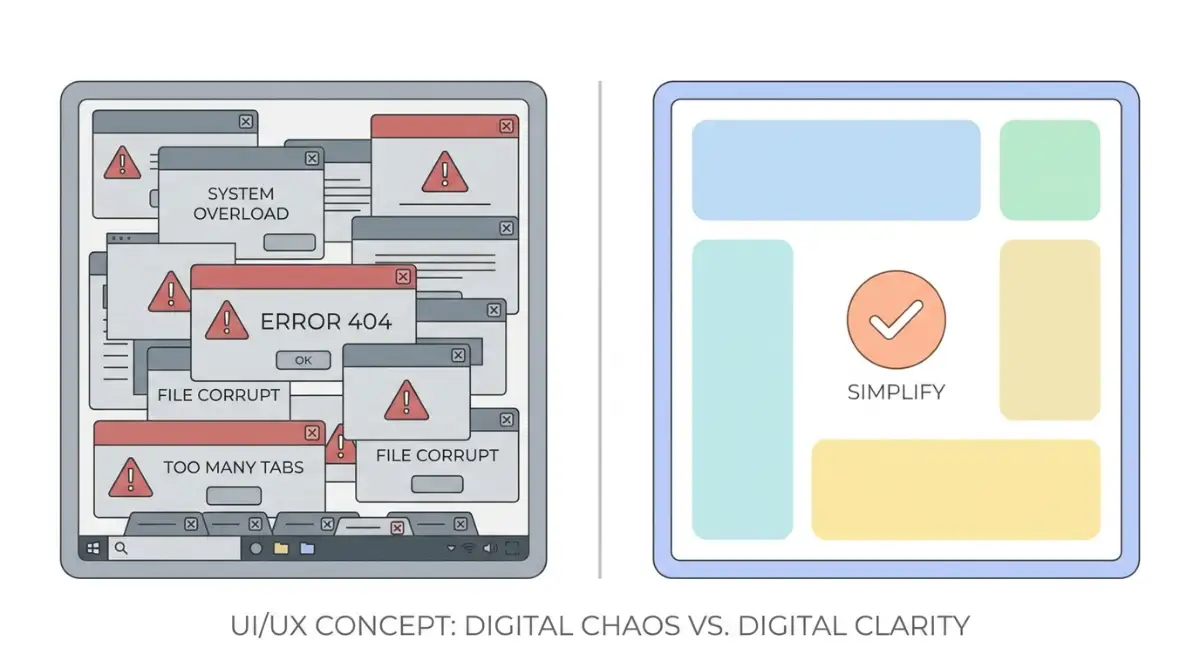
When we reduce the number of options on a screen, we instantly reduce mental stress. This lets us complete our work faster and with much fewer mistakes.
2: Bypassing the Corporate Gatekeepers
Traditional software distribution is a long and painful journey. To get access to enterprise software, you often have to fill out a long contact form.
Then, you must wait days for a sales representative to schedule a demo call with you. This call is usually filled with high-pressure sales pitches and confusing pricing plans.
This outdated model exists because big companies have massive sales teams they need to pay. It creates a huge barrier between you and the tool you need.
Micro-SaaS changes this process completely by removing the middleman. You do not need to talk to anyone to start using the software.
You simply visit the website, see the clear pricing, and click a button to start a free trial. There are no sales tricks, no hidden setup fees, and no annoying sales calls.
If the tool solves your problem, you can subscribe with a single click. If it does not, you can walk away without any awkward sales conversations.
This self-service model is built on absolute trust and transparency. It respects your time as a busy professional and puts you in complete control of your buying decisions.
3: Fast Updates and Real Human Support
When you use a massive software platform, you are just one user among millions. If you find a bug or need a feature, your voice is rarely heard.
Your support ticket goes through multiple layers of corporate staff, and it can take months for a fix to appear. This delay happens because big companies have slow development cycles and heavy bureaucracy.
Micro-SaaS tools operate in a completely different way. They are usually built and managed by a single developer or a very small team.
This means the person who built the software is often the same person who answers your support emails. If you find an issue, they can often write a fix and update the website in a few hours.

Imagine emailing support and getting a friendly reply from the actual creator of the app within thirty minutes. That is not a dream; it is the standard experience with micro-SaaS.
This close connection between the builder and the user builds a high level of trust. You know there is a real human being who cares about your experience working behind the scenes.
How Micro-SaaS Differs Financially from Giant Software
Let us look at the financial side of these two software models. Traditional software companies are often funded by large venture capital firms.
These investors demand rapid growth and massive profits, which forces the software company to raise prices constantly. They also start pushing useless features to justify those high prices.
Myth vs. Fact: Are Small Tools Safe?
- The Myth: If I use a tiny tool built by one person, my business data isn't safe.
- The Fact: Most micro-SaaS founders build their apps on the exact same secure frameworks that big tech companies use. They handle your payments through Stripe and host data on secure Amazon or Google servers. You get enterprise-level security without the enterprise-level price tag.
Micro-SaaS businesses are usually bootstrapped, which means they are funded entirely by the founder's own money. They do not have investors breathing down their necks for quick profits.
Because they have very low operating costs, they can keep their prices low and stable for a long time. They do not need to hunt for millions of users to survive.
A micro-SaaS founder is often perfectly happy serving just a few hundred active customers. This lets them stay focused on quality rather than chasing endless growth.
The Technology Behind Modern Niche Tools
You might wonder how a single developer can build and run a successful software tool alone. The secret lies in modern cloud technology and simple developer frameworks.
Today, anyone can rent cheap cloud servers and use pre-made building blocks to launch a web application. This has lowered the cost of building software to almost zero.
Founders can now focus entirely on solving the specific user problem instead of worrying about complex server setups. They use reliable, simple technology to ensure the app is fast and secure.
This shifts the focus from heavy engineering to pure customer satisfaction. It is a win-win situation for both the developer and the end user.
Finding the Right Balance for Your Business
We are not saying that large software systems are completely useless. If you run a massive global airline, you obviously need a giant, complex database system.
But for most small businesses and creative workers, those heavy systems are simply overkill. You do not need a commercial tractor to cut the grass in your backyard.
A small, light lawnmower is much faster, cheaper, and easier to handle. In the same way, micro-SaaS tools are the perfect fit for small, specific jobs.
Before you sign up for another expensive, complicated software suite, take a moment to look for a micro-SaaS alternative. You might find a simple tool that does exactly what you need for a fraction of the cost.
This choice will save you money, protect your mental peace, and keep your daily work flowing smoothly.
By shifting away from giant enterprise networks, you can find small, highly specialized web utilities that fit your needs. This shift is part of a growing trend toward niche software applications that focus entirely on user experience and simplicity.
Next-Level Strategies for Navigating the Software Shift
4: Assessing Your Existing Software Stack
We need a clear strategy to evaluate our daily workflows before buying any more software. The best way to start is by making a list of every digital tool you currently pay for.
You might be surprised to find that you use only a tiny fraction of what those platforms offer. This simple audit helps you spot where you are wasting money on heavy, unnecessary features.
Once you know what you actually use, you can search for a micro-tool to replace the bloated giant. This direct swap will save you money and keep your digital workspace clean.
5: Planning a Painless System Integration
Transitioning from old systems to newer, smaller applications does not have to be difficult. You can link different micro-SaaS tools together using simple automation services.
This lets you build a custom software suite that fits your exact needs without paying for extra fluff. If you are dealing with older business setups, you might consider setting up a step-by-step AI integration for old software systems to bridge the gap between legacy databases and simple cloud tools.
This approach keeps your business agile and ready for change. It also ensures you do not lose important data during the transition process.
How to Maintain Long-Term Success with Niche Applications
Using simple software tools can make your business run much smoother over time. However, you must manage these tools actively to prevent what experts call "subscription creep."
This happens when you sign up for too many micro-tools and end up spending more than you did on a single large platform. To avoid this, review your software list every six months and cancel any tools you no longer use.
If you ever need to move your digital assets, do it carefully to avoid interrupting your workflow. For example, learning how to handle transitions like migrating your web hosting without experiencing downtime can teach you valuable lessons about keeping systems running during a major change.
Running a business requires you to protect your assets on all fronts, both digital and physical. Just as you protect your family by choosing the right term life insurance for their security, you must also protect your company's online data.
In the same way, securing your home office by finding reliable home insurance options protects your physical computers and workspace. Keeping this balanced view of safety will help you build a highly stable and secure business environment.

Common Pitfalls to Avoid in the Micro-Software Market
1. Ignoring Data Portability and Export Options
Many people sign up for a micro-SaaS tool because it looks beautiful and works instantly. However, they forget to check if they can easily get their data out of the system.
If the tool does not let you export your files in standard formats like CSV or PDF, you are trapped. Always test the export feature during your free trial to ensure you own your data.
2. Overlooking Vendor Reliability and Longevity
Because micro-SaaS tools are often run by solopreneurs, there is a small risk the business might close down. If the founder decides to move on, the software could stop working overnight.
Before committing your business to a tool, check the founder's public roadmap and update history. A healthy product will have regular updates and an active community of users.
3. Failing to Check API and Automation Connections
A micro-SaaS tool is designed to do one thing, which means it must talk to your other systems to be useful. If it cannot connect to your email, spreadsheet, or calendar, it becomes an isolated island.
This forces you to copy and paste data manually, which defeats the purpose of buying software. Always make sure the tool supports basic webhooks or automated connection platforms.
4. Creating a Mess of Too Many Small Subscriptions
It is very easy to buy five different micro-tools because they only cost nine dollars a month each. But over time, these small charges add up and clutter your bank statements.
You also have to manage five different passwords and billing cycles, which creates mental overhead. Try to keep your software stack as lean as possible by only paying for what you use daily.
5. Neglecting Basic Digital Security and Permissions
Small software tools sometimes lack the advanced security features of massive enterprise systems. They might not offer two-factor authentication or custom team permission settings.
If you are sharing sensitive client data, this lack of security can put your business at serious risk. Always read the security policy of any micro-SaaS tool before uploading private files.
Taking Control of Your Digital Workspace Today
Choosing the right software is all about finding a balance between power and simplicity.
Switching to simpler tools has been the single best change I have made for my productivity and my stress levels. You do not need a complex suite to be successful; you just need the right tool for the job. Pick one bloated app that annoys you today, find a simple alternative, and start enjoying a much lighter workday!
You do not need to buy expensive, complicated suites to run a successful modern business.
By choosing targeted micro-SaaS applications, you can build a clean workspace that respects your time and attention. These small tools allow you to focus on your actual work instead of fighting with bad software design.
We encourage you to look at your digital tools today with a critical eye. Identify just one bloated program that makes you feel frustrated and replace it with a simple alternative.
You will quickly see how much easier your workday becomes when your tools are built to help you, not confuse you. Start small, simplify your systems, and enjoy the peace of mind that comes with a clutter-free digital life.