The True Struggle of Seeking a Loan with Poor Credit
Let's be honest—getting a loan with a bad credit score feels like applying for a job where you are already disqualified. I have been in that exact spot, staring at a "Declined" screen on my phone when I desperately needed cash for an emergency. But after testing dozens of financial strategies, I found out that big banks are not your only option. You can actually get approved if you know exactly where to look and what specific details lenders want to see today. Let me show you how to skip the rejection letters and get the cash you need.
Have you ever felt the sting of a loan rejection letter? It feels like a door slamming shut right in your face when you need help the most.
Yet, traditional banks look at your credit score and quickly turn you away. This constant rejection leaves you feeling stuck, isolated, and completely helpless.
You want to move forward and fix your life, but your past financial mistakes keep holding you back. It is a stressful cycle that many honest people face every single day.
Finding the right path is incredibly difficult because of the massive amount of bad advice online. Here is why so many people fail to get the help they need:
Misleading payday lenders: Many desperate borrowers fall into the trap of high-interest payday loans that promise quick cash but lead to endless debt.
Guaranteed approval scams: Some shady websites claim they can guarantee a loan without any credit check, which is often a trap to steal your personal data.
Confusing financial terms: Most online guides use complex jargon that makes the average person feel even more confused and defeated.
Constant anxiety: You lie awake at night wondering how you will pay for your next big emergency.
Loss of confidence: Rejection after rejection makes you feel like a failure, even if you are working hard to improve.
Relationship stress: Money problems are a leading cause of fights and tension with your loved ones.
Fear of the future: You feel trapped in a financial corner, unable to plan for big life goals or dreams.
Let us look at a real scenario. Imagine your car breaks down on a Tuesday morning, and you need it to get to work to earn your living.
You check your bank account, but you do not have the cash to fix it. You apply for a quick bank loan, hoping for a lifeline.
Within hours, you get an automated email saying you do not qualify due to your credit history. Your heart sinks because this is not just about a broken car anymore.
It is about your livelihood, your job security, and your ability to support your family. We understand how exhausting this situation can be.
It feels like you are being punished forever for mistakes you made years ago. But here is the good news: your credit score is not a permanent life sentence.
You can still find safe, legal, and affordable ways to get the cash you need. You do not have to fall for predatory scams or feel hopeless anymore.
Let us explore the real, practical steps to make this happen.

Quick Summary: What You Need to Know
- Check your credit report first: Removing simple errors is the fastest way to bump up your score before you apply.
- Skip the big banks: Credit unions and specialized online lenders look at your current income, not just your past mistakes.
- Lower your DTI quickly: Pay off tiny credit card balances to free up your monthly cash flow.
- Avoid the application trap: Never apply for multiple loans at the exact same time, as this damages your score instantly.
Your Action Plan: Practical Steps to Qualify for a Loan
Before you start applying for anything, take a quick minute to watch this video to see exactly what lenders actually look for on your application today. It will make the steps below so much easier to follow and can easily save you from getting instantly rejected!
Getting a loan with a poor credit score requires a smart strategy. You cannot just apply randomly and hope for the best.
Instead, you need a clear plan to show lenders that you are a safe borrower. Here are the first three practical steps you can take today.
Analyze and Clean Up Your Credit Report Immediately
Before you apply for any loan, you must know exactly what lenders see on your record. You should pull your credit reports from the main credit bureaus.
You might think your score is low because of your past actions, but mistakes on credit reports are incredibly common. In fact, many credit reports contain errors that drag scores down.
This could be an old debt you already paid, or even a typo in your name. Imagine you paid off a credit card bill two years ago.
If the bank forgot to update their system, it still looks like an active, unpaid debt. Lenders will view this as a red flag, even though you did nothing wrong.

Spotting and disputing these errors is the fastest way to boost your score. You can file a free dispute online with the credit bureau to correct these mistakes.
Once they remove the error, your score can jump up quickly. This simple action shows lenders you are active and responsible, paving the way for a much smoother loan approval process.
My biggest mistake early on was ignoring my credit report because I was simply too scared to look at the real damage. Once I finally checked it, I found a very old $50 utility bill that was completely wrong, and fixing that one error bumped my score up enough to finally get a loan. Do not be afraid to look at your numbers; fixing tiny mistakes is the absolute best trick to instantly look safer to lenders.
Find and Partner with the Right Bad-Credit Lenders
Traditional big banks have very strict rules for loan approval. If your score falls below a certain limit, their computers automatically reject you.
However, not all lenders work this way. Credit unions and online lenders are often much more flexible.
Credit unions are non-profit organizations owned by their members. Because of this, they care more about your personal story than just a number on a screen.
If you talk to a credit union representative, you can explain your situation face-to-face. They might look at your steady job and income instead of your old credit history.
Online lenders also use modern technology to assess your financial health. They look at your monthly income, utility bill payments, and job stability.
This is like a teacher looking at your homework effort rather than just your final exam score. It gives you a much better chance of getting approved.
Take some time to research local credit unions in your area. You might find that they offer lower interest rates and friendlier terms than big banks.
Quick Comparison: Credit Unions vs. Online Bad-Credit Lenders
| Feature | Local Credit Unions | Online Bad-Credit Lenders |
| :--- | :--- | :--- |
| Approval Focus | Your personal story and stable job. | Your current cash flow and banking history. |
| Speed | Can take a few days to process. | Usually very fast, sometimes same-day funding. |
| Interest Rates | Generally lower and heavily capped by law. | Often higher, but fair if you avoid payday scams. |
| Best For... | People who prefer face-to-face conversations. | People who need cash fast and want to apply from home.
Apply with a Trusted Co-Signer to Lower the Risk
If your credit score is very low, lenders will view you as a high-risk borrower. To balance this risk, you can bring a co-signer on board.
A co-signer is a family member or close friend with an excellent credit score who signs the loan with you. This person promises to pay back the loan if you are unable to do so.
For the lender, this acts as a safety net. It is like a friend vouching for you at a job interview.
The employer trusts your friend, so they are more willing to give you a chance. Because of your co-signer's good credit, you are much more likely to get approved.
Even better, you will likely qualify for a much lower interest rate. However, this step requires extreme caution and trust.
If you miss a payment, it will damage your co-signer's credit score as well as yours. You must only use this option if you are 100% sure you can make the monthly payments on time.
It is a powerful tool, but it comes with big personal responsibility.
Provide Solid Proof of Your Current Stable Income
Lenders ultimately want to know one thing: can you pay the money back? Even if your past credit is bad, a strong current income can win them over.
You should gather all your recent pay stubs, tax returns, and bank statements before applying. Showing a steady, recurring income proves that you have the cash flow to handle a new monthly payment.
It shows that your financial situation today is much better than it was in the past. This gives lenders peace of mind and increases your approval odds.
We are now ready to build on our previous strategies to secure your loan. When you want to qualify for an unsecured personal loan, you must understand how lenders view your risk profile.
Lenders always look for ways to protect their money in case you cannot make your payments. By using advanced strategies, you can make yourself look like a safe borrower even with a poor credit history.
You should also look at official guidelines on the Consumer Financial Protection Bureau website to understand how credit files are assessed. Let us explore the next steps you can take to make your application stand out.
Advanced Strategies to Maximize Your Approval Success
Opt for a Secured Loan to Protect the Lender
If your credit score is very low, an unsecured loan might be out of reach for now. In this situation, a secured personal loan is an excellent alternative option.
With a secured loan, you offer something of value to the lender as collateral to back up your promise. This collateral could be a vehicle title, a savings account, or a certificate of deposit.
Think of it like borrowing a book from a friend and leaving your favorite video game as a deposit. Your friend knows you will return the book because you want your game back.
Lenders feel the same way when you offer collateral to secure your personal debt. If you fail to pay, the lender can take the asset to recover their lost funds.
Because of this safety net, lenders are much more likely to approve your application. They might also offer you a much better interest rate than you would get with an unsecured option.
However, you must remember that your asset is on the line when you sign. You must make sure you can easily afford the payments so you do not risk losing your valuable property.
Clear Small Debts to Improve Your Debt-to-Income (DTI) Ratio
Lenders do not just look at your credit score when they evaluate your application. They also look closely at your Debt-to-Income (DTI) ratio, which compares your monthly debts to your gross income.
Even if your credit score is low, a low DTI ratio shows you have plenty of room in your budget for a new payment. To improve this ratio quickly, you should focus on paying off your smallest debts first.
This strategy is often called the debt snowball method, where you focus all your extra money on one small bill at a time. Imagine you have a $150 store card balance and a $200 medical bill.
Paying these tiny balances off completely will instantly remove two monthly payment obligations from your record. This makes your monthly budget look much cleaner and more attractive to potential lenders.
Myth vs. Fact: Paying Off Small Debts
- The Myth: Lenders only care about the total amount of money you owe.
- The Fact: Lenders care more about your monthly obligations. Wiping out two small $50 monthly bills frees up $100 in your monthly budget. This directly improves your Debt-to-Income (DTI) ratio, making you look like a much safer bet for a new loan.
If you plan to apply for other loans later, you can read our guide on how to improve your credit score before applying for a car loan to see how similar rules apply. Taking care of these small balances now pays off in a big way later.
A Roadmap for Keeping Your Credit Healthy over Time
Getting approved for a loan is just the first step in your overall financial recovery. To protect your financial future, you must build good credit habits that last.
One of the best ways to do this is by setting up automatic payments for all your monthly bills. This ensures you never miss a payment deadline, which is the single most important factor for your score.
You should also keep your credit card balances below thirty percent of your total limit. If you have a card with a $1,000 limit, try to never let the balance go over $300.
Building a healthy credit profile takes time, patience, and daily discipline. But the peace of mind you get from having a strong financial record is worth every bit of effort.

Traps and Missteps: Five Common Mistakes to Avoid When Applying
1: Applying with Multiple Lenders at the Same Time
When you need cash urgently, you might feel tempted to apply for five or six loans all at once. People often think this increases their chances of getting approved by at least one lender.
However, this is a major mistake that will hurt your credit score immediately. Every time you submit a formal loan application, the lender does a hard credit check.
These hard inquiries show up on your credit report and drag your score down by several points. If lenders see multiple inquiries in a short period, they will assume you are in deep financial trouble and reject you.
2: Falling for "Guaranteed Approval" Loan Scams
You must be extremely careful when searching for lenders online. Many shady companies target people with low credit scores by offering guaranteed approval loans.
The reality is that no legitimate lender can guarantee a loan without checking your financial background first. These offers are usually designed to steal your bank details or charge you massive upfront fees.
Always research any lender thoroughly before sharing your social security number or bank account information. If an offer sounds too good to be true, it is almost certainly a dangerous trap.
3: Overlooking the Real Cost and Fine Print
When you are stressed about money, you might want to sign the first loan contract you receive. This is a dangerous mistake because the cost of a loan is much more than just the monthly payment.
You must look at the Annual Percentage Rate (APR), which includes both the interest rate and all hidden fees. Some lenders charge massive origination fees just to process your loan application.
Instead of using a credit card for cash advances, which often comes with high interest, look for affordable terms. Make sure you read every single line of the loan agreement before you sign your name.
4: Borrowing More Money Than You Can Afford
It can be tempting to ask for a larger loan amount than you actually need to cover your current emergency. You might think having extra cash in your pocket is a good safety cushion.
But borrowing extra money means you will pay more interest over the life of the loan. It also raises your monthly payment, making it harder to stay on top of your budget.
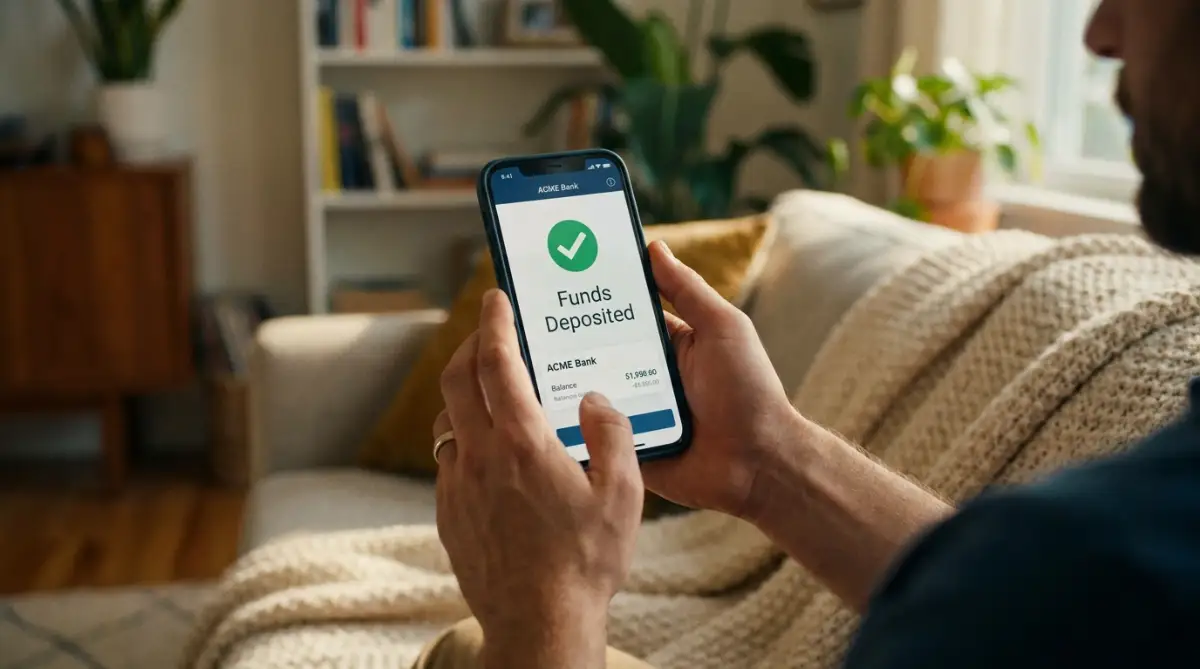
Only borrow the exact amount of money you need to handle your immediate situation. This keeps your payments manageable and reduces your risk of falling back into a cycle of debt.
5: Neglecting the Health of Your Checking Account
Many modern lenders will ask to see your bank statements to check your spending habits. They want to see how you manage the money you already have.
If your statements show frequent overdraft fees or constant transfers, lenders will see you as a high-risk borrower. They will worry that you do not have the discipline to pay back a new loan.
Try to keep your checking account clean and positive for at least three months before you apply. This simple step shows lenders that you are in control of your daily spending.
To explore more choices, you can read our detailed guide on how to get approved for a personal loan with poor credit. Avoiding these common traps will put you in a much stronger position for success.
Your Journey to Financial Freedom Starts Today
Taking control of your finances when you have a low credit score is not an easy task. It takes courage to face your debts and take the steps to make things right.
By cleaning up your credit report, finding the right lenders, and avoiding common traps, you can secure the funds you need. Remember that every small step you take today builds a stronger foundation for tomorrow.
You do not have to let your past financial mistakes define your entire future. With the right plan and a little patience, you can rebuild your credit and achieve the financial peace of mind you deserve.
I know firsthand how stressful things feel right now, but I promise you that this bad credit phase is only temporary. I turned my whole financial life around by just taking one small step at a time, and I know you have the power to do the exact same thing starting today.