
The Hidden Confusion of Property Ownership: Why Deed and Title Mix-ups Cost Families Thousands
I will never forget staring at a giant stack of closing papers, wondering if I actually owned my new house. Here is a scary truth most real estate agents forget to tell you: holding the house keys does not mean you legally own the property. Every single day, hard-working buyers get hit with surprise legal notices simply because they mixed up two basic words—deed and title. Let me walk you through exactly how I keep my own properties safe, so you never have to lose sleep over complex paperwork again.
Months later, a legal notice arrives in the mail. Suddenly, you discover that you do not actually own the land your house sits on.
This nightmare happens to many well-meaning families. They confuse two simple words that mean completely different things in real estate law.
Buying a home is likely the biggest purchase of your life. Yet, most people sign the papers without knowing if they actually own the property or just hold a useless piece of paper.
This deep worry can ruin what should be a happy milestone. When you do not know the clear legal differences, you are at the mercy of complex court systems.
Let us change that today by giving you the clarity and power you need to protect your investment. We will break down these terms in plain English so you can buy your next home with complete confidence.

What You Are Going to Learn Today (Key Takeaways):
- The Big Difference: A title is your invisible right to own the house, while a deed is the physical receipt that transfers that right.
- The Paper Trap: Why keeping an unrecorded deed in your drawer leaves your home open to legal theft.
- The Hidden Risks: How someone else's old debt or unpaid taxes can secretly attach to your new home.
- The Ultimate Shield: Why buying an owner's title insurance policy is the smartest money you will ever spend.
Understanding Your Property Rights: A Clear and Simple Guide
To protect your hard-earned money, you must understand how property law actually works. Let us look at the process step by step so you can avoid common traps.
First, we need to talk about what a title actually is. A property title is not a physical piece of paper that you can hold in your hands.
Instead, a title is a legal concept. It represents your legal right to own, use, and control a specific piece of land or property.
Quick Reality Check: Myth vs. Fact
- Myth: You get a fancy certificate called a "Title" handed to you at closing.
- Fact: You never actually hold a title. It is just the legal status of your ownership.
- Myth: As long as I pay the seller, the house is mine.
- Fact: If the seller does not have a clear title, your payment means nothing. You just bought a massive legal headache.
To understand this easily, let us use a simple analogy. Think of a book that you bought from a local bookstore.
When you say you "own" that book, you are referring to a concept. That ownership concept is exactly what a title is in the real estate world.
It is your legal status as the rightful owner of the property. Having the title means you hold the "bundle of rights" for that home.
This bundle of rights gives you the power to do many things. You can live in the house, build a fence, or rent it out to tenants.
You can also choose to sell the property or pass it down to your children. However, if there is a problem with your title, your ownership is in danger.
This is why a clean title is so important. Without it, you do not truly own the home, no matter how much money you paid the seller.
Now, let us contrast the title with a deed. Unlike a title, a deed is a physical, written legal document.
You can touch it, sign it, and file it away in a safe drawer. The deed is the official tool used to transfer the title from one person to another.
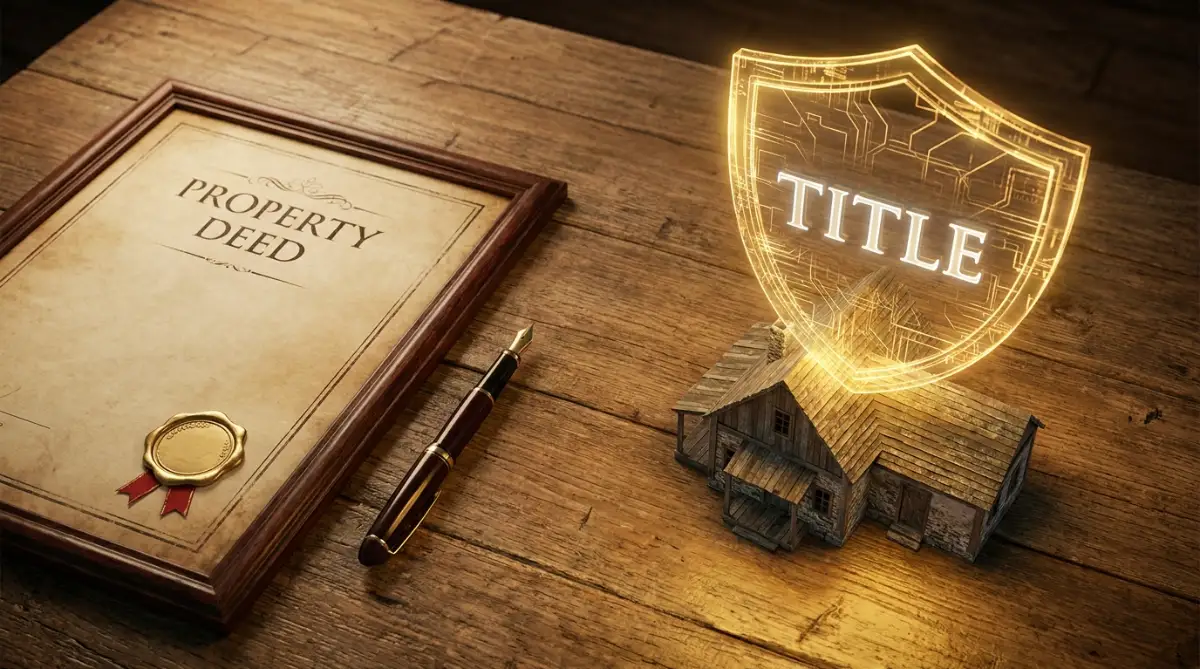
Think of the deed as a highly official receipt for your home purchase. When you buy a car, you sign a bill of sale to prove the transaction happened.
In real estate, the deed is that official paper. It must be a written document that meets specific legal standards.
The deed must clearly identify the seller, who is called the grantor. It must also clearly name the buyer, who is called the grantee.
Additionally, the deed must contain a detailed legal description of the property. This description is much more specific than just a simple mailing address.
For a deed to be legally binding, the seller must sign it. In many places, witnesses and a notary public must also sign the document.
Once the deed is signed, the transfer of ownership is complete. However, your job is not finished yet.
You must take the deed to your local county recorder's office. Recording the deed makes the transfer a matter of public record.
This step is incredibly important for your protection. It tells the entire world that you are now the official owner of the property.
If you fail to record the deed, a dishonest seller could try to sell the same house to someone else. The person who records their deed first often wins the legal right to the home.
Now that we know both terms, let us look at how they connect. You can think of the title as your destination, and the deed as the vehicle that takes you there.
You cannot have a deed without a title. Similarly, you cannot safely transfer a title without a valid deed.
Let us look at a real-life scenario to see this relationship in action. Imagine you are buying a beautiful suburban home from a seller named John.
John holds the title to the house, which means he has the legal right to own and sell it. To give that ownership to you, John must sign a physical deed. Once John signs the deed and hands it to you, the transfer is made. You now hold the deed in your hands.
Because you hold that deed, you now possess the legal title to the home. You have successfully moved the legal ownership from John to yourself.
If John tries to claim the house is still his the next day, he cannot do so. Your recorded deed proves that you now hold the title.
This simple system keeps the real estate market organized and safe. It ensures that everyone knows exactly who owns what.
Ask Yourself This Right Now (Mini Buyer Checklist):
- Did I see the official chain of title? (You need to know who owned the house before the current seller).
- Did I actually record the deed? (Putting the deed in a safe at home does zero good. The county office must have it on public file).
- Do I have an owner's policy? (Do not rely on your bank's insurance—it only protects them, not your cash).
Not all deeds offer the same level of legal protection. When you buy a home, you must pay close attention to the type of deed the seller is using.
If I could go back in time, I would tell my younger self to never skip reading the fine print on a property transfer. I once almost accepted a simple quitclaim deed from a distant relative, not realizing it gave me absolutely zero real protection if a legal issue popped up later. Always double-check exactly what kind of paper the seller is handing you before you hand over your hard-earned cash.
Let us look at the three most common types of deeds you will encounter.
The first and best option is the General Warranty Deed. This deed offers the highest level of protection for the buyer.
With a general warranty deed, the seller makes a powerful promise. They guarantee that they own the property free and clear of any hidden legal issues.
They also promise that no one else has a claim to the land. This promise covers the entire history of the property, not just the time the seller owned it.
If a long-lost relative of a past owner tries to claim the house years later, the seller must fix the problem. They must pay for your legal defense in court if necessary.
The second option is the Special Warranty Deed. This deed offers less protection than a general warranty deed.
With this document, the seller only guarantees that no title issues arose during their personal ownership of the home.
They do not make any promises about what happened before they bought the property. This type of deed is very common in commercial real estate transactions and foreclosure sales.
The third option is the Quitclaim Deed. This deed offers the lowest level of protection possible.
A quitclaim deed does not guarantee that the seller actually owns the property. It simply says, "Whatever interest I have in this property, I give it to you."
If the seller actually owns nothing, you receive nothing. These deeds are rarely used in standard home sales between strangers.
Instead, people use them to transfer property between family members. For example, parents might use a quitclaim deed to add a child to their home title.
They are also common in divorce settlements to remove one spouse from the property records. Always make sure you know which deed you are signing before you close the deal.
Even if you have a signed deed, your title might not be completely clean. Real estate experts often talk about "clouds" on a title.
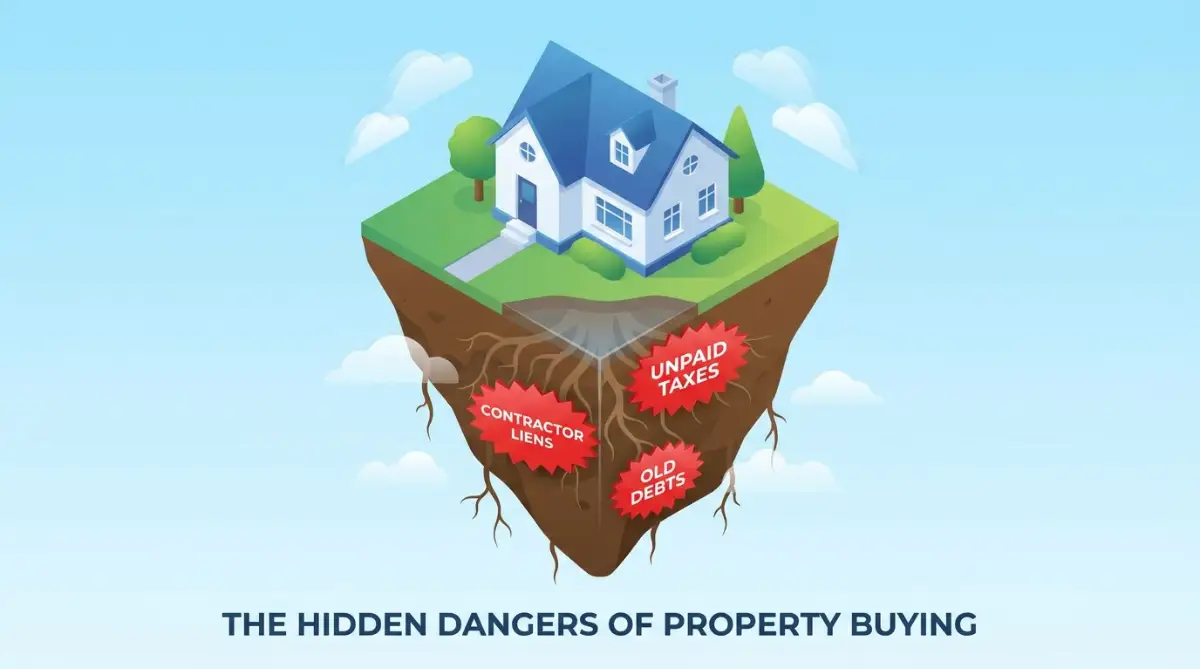
A cloud on the title is a legal defect or claim that makes your ownership unclear. These defects can cause massive financial headaches if they are not resolved quickly.
Let us look at a common example of a title defect. Imagine the previous owner of your home hired a contractor to build a deck but never paid them.
The contractor can file a legal claim called a mechanic's lien against the property. This lien attaches to the home, not to the person who failed to pay.
If you buy that house, the lien stays on your new home. You could be forced to pay the contractor's bill to keep your house from being sold to pay the debt.
Another common defect is unpaid property taxes. Local governments can place tax liens on homes to collect unpaid taxes.
If you do not clear these liens before buying, you inherit the tax debt. In worst-case scenarios, the government can seize your home to pay those back taxes.
Fortunately, you can protect yourself from these dangers. First, always hire a professional closing agent to perform a thorough title search.
The title searcher will examine public records to look for liens, unpaid taxes, or easement disputes. They will make sure the seller has a clear right to hand over the title.
Second, you must purchase title insurance. Title insurance is a special policy that protects you from hidden issues that a title search might miss.
For example, if a forged signature on an old deed comes to light years later, your title insurance will cover the legal costs.
It is a one-time fee paid at closing that protects your investment for as long as you own the home. Having both a clear deed and title insurance is the ultimate way to secure your family's future.
Advanced Tactics to Protect Your Property Ownership Right Now
However, smart homeowners know that securing a property requires a few advanced steps. To get a truly clear picture of your purchase, you must learn the legal definition of property title and how it applies to your specific land.
This knowledge will help you navigate the complex closing process without feeling overwhelmed by paperwork. You will also understand exactly how deeds transfer ownership from the seller to your name.
Your first advanced step is to personally review the history of the property. While a title company does this search, you should request a copy of the actual title report.
This report shows the chain of title, which is a list of every past owner of your home. You want to look for any gaps in this historical chain where ownership might have been transferred incorrectly.
For example, if an owner passed away and their heirs did not sign the deed properly, a legal gap exists. Finding these issues early allows you to force the seller to fix them before you hand over your money.
Another advanced step is to obtain a new and highly detailed boundary survey of the property. Many buyers skip this step to save a few hundred dollars at closing.
However, old surveys might not show new changes, like a neighbor's fence that sits on your land. If a neighbor builds on your property, they can actually claim ownership of that small strip over time.
A fresh survey confirms that the physical description on your deed matches the actual boundaries of the land. This simple step keeps your physical property lines completely safe from future legal disputes.
You must also understand the difference between the lender’s title insurance and your own owner’s policy. When you get a mortgage, your bank forces you to buy a title policy.
However, that policy only protects the bank's financial interest in the home, not yours. To protect your own hard-earned equity, you must buy a separate owner’s title insurance policy.
If a major title defect is found later, this policy will pay for your legal defense and protect your investment. Just as you need to know how to choose the right term life insurance to protect your family's future, securing an owner's title policy protects your biggest physical asset.
Once you have successfully closed on your home, you must maintain your ownership status over time. Property fraud is a growing issue in the real estate world today.
Dishonest actors can attempt to file fraudulent deeds to steal properties from unsuspecting homeowners. To prevent this, you should sign up for property alert services through your local county clerk's office.
These free services will send you an immediate email notification if any document is recorded against your home. This allows you to stop fraud before it causes major legal damage to your title.
Additionally, you should check your property tax bills every single year. Make sure the name on the tax bill matches the exact spelling of your name on your recorded deed. If there is a spelling mistake, contact the tax office immediately to correct the error. Keeping these small details organized will protect your home for decades to come.

The Most Dangerous Property Mistakes That Can Destroy Your Ownership
Even with the best intentions, home buyers often make massive mistakes during the property purchase process. These errors can lead to expensive lawsuits, loss of property, or total financial ruin.
Let us look at the five most common pitfalls so you can avoid them completely.
Many people make the mistake of accepting a quitclaim deed from a seller without recording it. They believe that having a physical paper signed by the seller is enough to prove ownership.
However, if you do not record the deed at the county office, your ownership is practically invisible to the public. If the seller has unpaid debts, their creditors can still file liens against your home because they think the seller still owns it.
Always record your deed immediately after signing to make your title official.
As we mentioned earlier, skipping the owner’s title insurance policy is a huge mistake. Buyers often assume that because the bank is satisfied with the title search, they are safe too.
But if an old lien is discovered later, the bank’s policy will only pay to protect the bank's mortgage. You could still lose your entire down payment and any home equity you have built up.
Always pay the one-time fee for an owner’s policy to keep your personal investment completely secure.
A standard title search looks at the county property records, but it might miss local municipal issues. These issues include unpaid utility bills, code violations, or special city assessments for sidewalks and roads.
If you do not run a municipal lien search, you will inherit these city debts when you take the title. You could find yourself facing thousands of dollars in surprise bills from the local city hall.
Make sure your closing agent runs a complete search of both county and city records.
It might seem like a minor issue, but a misspelled name on a deed can cause major title issues. If your middle initial is missing or your last name has a typo, the deed may not match your legal identification.
This error creates a mismatch between the deed and your official property title. When you try to sell the home in the future, the buyer’s title company will flag this as a major defect.
Double-check every single letter of your name on all closing documents before you put your signature on them.
If you discover a defect on your title or if your title insurance company denies a claim, do not try to handle it alone. Property law is highly complex and requires professional expertise to navigate successfully.
If you find yourself facing a denied claim or an ownership dispute, you may need to look into a denied insurance claim and how a lawyer helps you win to protect your rights.
Trying to resolve these disputes without professional help can lead to permanent loss of your home. Just as you would learn how to hire an insurance attorney after a serious car accident, you must hire a real estate lawyer to fight for your title.
Taking Command of Your Real Estate Journey with Absolute Clarity
To sum up, understanding the difference between a deed and a title is the foundation of smart homeownership. The title is your legal right to own the land, while the deed is the physical document that transfers that right to you.
When you keep these two concepts clear, you protect yourself from fraud, hidden debts, and costly legal battles. You can walk into your next real estate transaction with complete confidence and peace of mind.
Now is the perfect time to review your own property documents and check your county records. Take action today to ensure your home is completely safe, secure, and truly yours.
Taking the time to figure out these simple legal differences completely changed how I look at buying real estate. You do not have to feel scared, helpless, or confused by fancy legal words ever again. Grab your current home documents, check your local county public records today, and enjoy the amazing peace of mind that comes from knowing your family's home is 100% yours.


