The Hidden Nightmare Behind the Dream of Free Electricity
Have you ever looked at your massive electric bill and thought, "I should just get solar panels"? I had that exact same thought two years ago. I dreamed of running my house on free sunshine. But let me tell you, that dream can quickly turn into a total nightmare if you are not careful. Before you let anyone drill holes into your roof, you need to know the sneaky traps that sketchy solar companies use to lock you into bad deals. I am going to share exactly what I learned so you can save your money and your sanity.
But fast forward six months, and that dream has turned into a massive headache. You wake up on a rainy Tuesday morning to find water slowly dripping through your living room ceiling. Your brand-new solar panels were installed on an old, decaying roof, and the contractors drilled right through your protective moisture barrier.
Now, instead of saving money on electricity, you are draining your savings to fix heavy water damage. Sadly, I see this exact scenario play out way too often.
I still get a knot in my stomach when I remember the day I found a massive water stain on my living room ceiling just weeks after my own solar panels were installed. I trusted a fast-talking salesman and completely skipped checking the health of my old roof to save some time. That one silly mistake cost me thousands of dollars in emergency repairs, and it is the exact reason I am so passionate about sharing these hidden traps with you today.
The good news is that protecting yourself is entirely possible. By learning exactly where things go wrong, you can take control of the situation. You do not need an engineering degree to make smart choices for your home. Let us look closely at the exact traps that catch everyday homeowners off guard, and exactly how you can easily avoid them.
What You Will Learn In This Guide:
- Why putting solar panels on a bad roof will cost you double later.
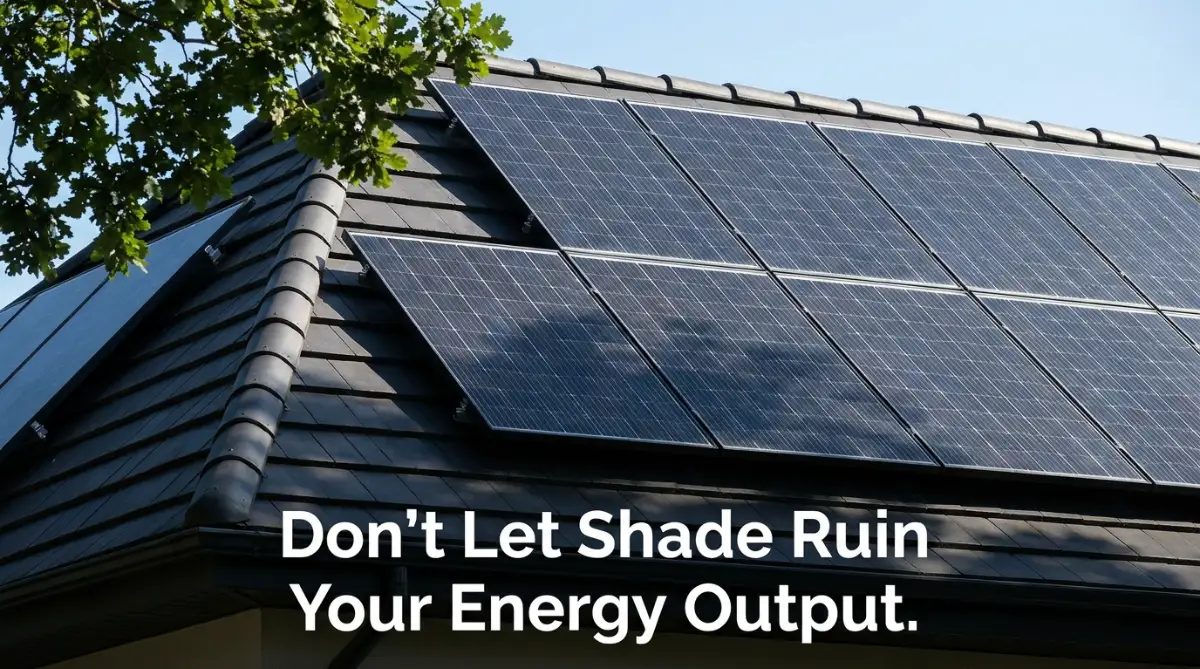
- The sneaky way a single tree branch can kill your entire power supply.
- Why you should always buy your panels and never, ever lease them.
- How to read the fine print in your warranty so you do not get stuck with huge repair bills.
Building on Quicksand: Ignoring Your Roof’s Health
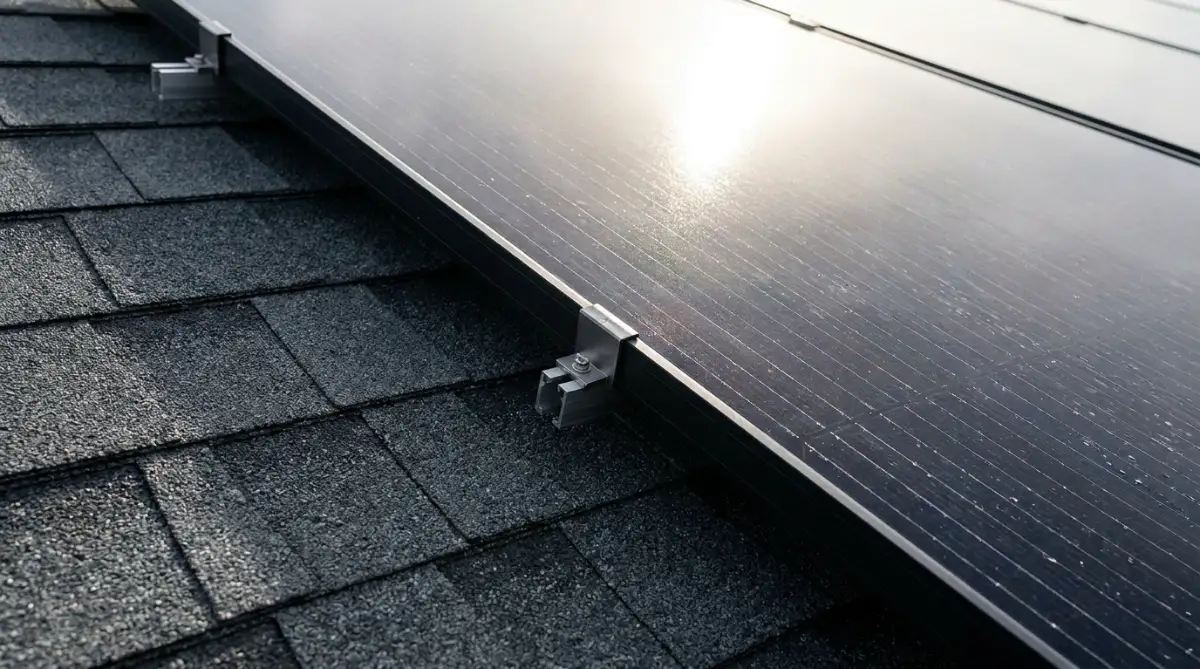
One of the biggest mistakes you can make is ignoring the very foundation your panels will sit on. Installing heavy solar equipment on an old or damaged roof is exactly like building a beautiful new house on top of quicksand.
Solar panels are built to last for a long time, often stretching up to twenty-five years. If your asphalt shingles only have five years of life left, you are setting yourself up for a massive extra expense. When the time comes to replace that old roof, you will have to pay a crew to come out, remove all the panels, and store them safely.
Once the new roof is finished, you have to pay that same crew to put the panels back up. This removal and reinstallation process can easily cost you thousands of dollars out of pocket.
Pro Tip: Always get an independent roofing inspection before signing a solar contract. A neutral inspector will tell you the honest truth about your roof's remaining lifespan. If your roof needs replacing soon, bundle the roof replacement and the solar installation together.
Doing both projects at the same time often unlocks better financing options. It also ensures that the solar company and the roofing company coordinate their warranties. You will sleep much better knowing you have a solid, brand-new barrier between the heavy rain and your living room furniture.
The Silent Thief: Miscalculating Tree Shading
Solar energy seems pretty straightforward on paper. The sun hits the glass, and your home gets power. But the reality of sunlight is constantly changing throughout the day and across different seasons.
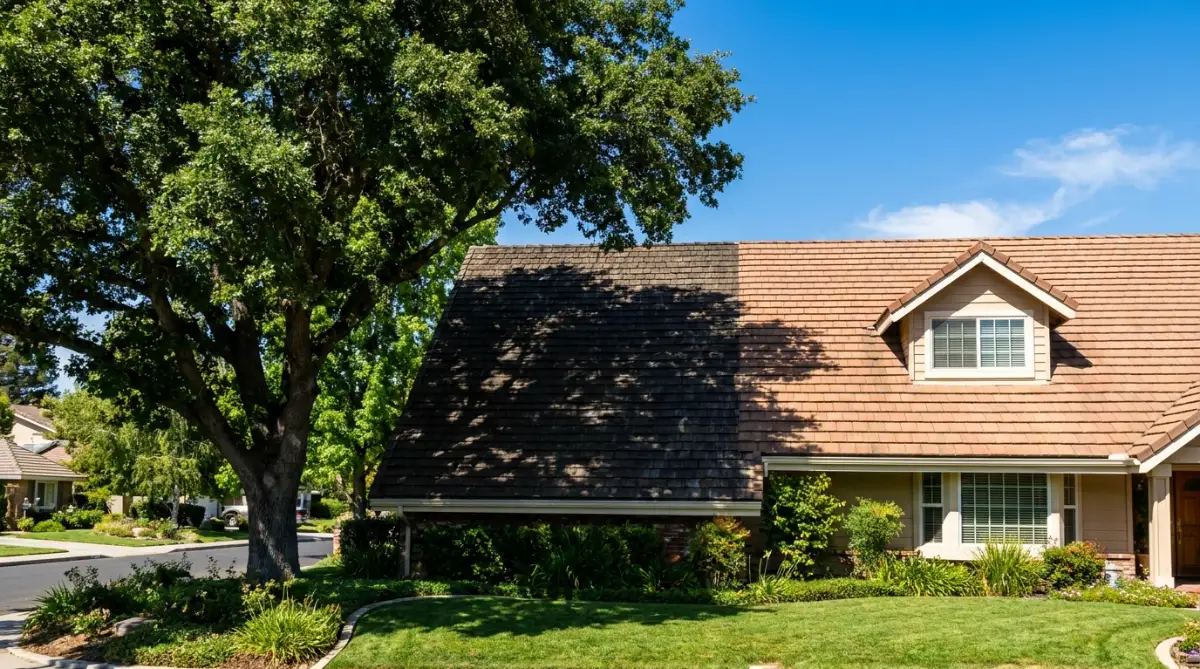
I have spoken to homeowners who were thrilled with their summer energy output, only to see it crash to zero in the winter. Why did this happen? Because they forgot to account for the long shadows cast by a neighbor's large oak tree when the winter sun sits lower in the sky.
A tiny bit of shade can cause a massive drop in power. In traditional solar setups, panels are connected in a single chain. If a shadow covers just 10% of one single panel, the power output of the entire chain drops by that same amount.
Myth vs. Reality in Solar Shading
- The Myth: A little bit of shade on one corner of the roof will not really affect the total power my system makes.
- The Reality: Depending on your wiring setup, shading just one panel can drag down the performance of every other panel connected to it.
To fix this, make sure your installer uses advanced software to run a full 360-degree shading analysis. They need to look at how shadows fall on your property during every single month of the year, not just on a sunny afternoon in July. Do not accept a rough guess; demand to see the actual computer models.
The Goldilocks Problem: Sizing Your System Incorrectly
When buying a solar system, getting the size right is absolutely essential. If you buy a system that is too small, you will still be paying high bills to your local utility company. If you buy a system that is way too big, you are spending money on expensive equipment you simply do not need.
Many salespeople will try to push you toward the biggest, most expensive system they can fit on your roof. They might promise that the utility company will pay you massive amounts of cash for your extra power. However, energy buy-back programs have changed drastically over time, and they are rarely as profitable as salespeople claim.
Your best defense is to gather your last twelve months of electric bills. Look at your actual kilowatt-hour (kWh) usage over a full year.
Think About Your Future Habits
Will you be buying an electric vehicle soon? Are you planning to add an electric heat pump or a swimming pool? If you plan to use more electricity soon, you definitely need to factor that into your system size today.
On the flip side, if your kids are moving out for college next year, your energy usage will likely drop. Sit down and do the basic math on your own lifestyle before letting a salesperson dictate the size of the project.
Quick Checklist: How to Guess Your Future Energy Needs
- Getting an Electric Car? Add about 2,500 to 3,000 kWh per year to your total.
- Adding a hot tub or pool? Add another 2,000 kWh.
- Kids moving out for college? Subtract about 1,000 kWh per teenager.
- Keep these numbers handy when the sales guy tries to sell you 20 extra panels you do not actually need!
The Heart of the System: Choosing the Wrong Inverter
If you are a visual learner, watch this quick video that perfectly explains the huge difference between string inverters and microinverters. Check it out before you read the breakdown below, so you know exactly what equipment to demand from your installer!
While the shiny glass panels get all the attention, the inverter is the true workhorse of your entire setup. The panels collect direct current (DC) power from the sun, but your home uses alternating current (AC). The inverter's job is to translate that power so your TV, fridge, and lights can actually use it. Picking the wrong inverter technology can severely limit your daily power production. Let us break down the two main choices so you know exactly what to ask for.
Inverter Type How It Works Best Used For String Inverter Connects all panels in one single chain to a central box. Roofs with zero shade, facing one single direction. Microinverters A tiny box attached to every single individual panel. Roofs with lots of shade, varying angles, or multiple directions.
If your house has multiple roof angles or heavy tree coverage, string inverters are a terrible choice. You absolutely want microinverters or power optimizers. They cost a little more upfront, but they ensure that if one panel is shaded, the rest keep pumping out maximum power.
Always ask your installer exactly which brand and type of inverter they plan to use. If they brush off the question, that is a huge red flag.
Skipping the Fine Print: The Warranty Trap
A shiny brochure might promise a "bumper-to-bumper warranty," but those words mean nothing if they are not in the actual legal contract. Many buyers assume that if their system breaks, someone will come out and fix it for free.
Unfortunately, solar warranties are broken down into different layers.
- The Equipment Warranty: This covers the physical panels breaking down or malfunctioning.
- The Performance Guarantee: This promises that the panels will produce a specific amount of power over time.
- The Workmanship Warranty: This is arguably the most critical. It covers the actual labor, roof leaks, and wiring mistakes made by the installation crew.
A company might offer a twenty-year equipment warranty but only a one-year workmanship warranty. If your roof starts leaking eighteen months after the job is done, you are entirely on your own.
Never sign a contract until you have read the workmanship warranty section. Look for companies that guarantee their labor and roof penetrations for at least ten years. If a company does not trust its own workers enough to guarantee the labor, you should not trust them with your house.
Forgetting the Rulebook: Permits and HOA Approvals
Going solar is not like installing a new garden hose. It is a major electrical construction project attached directly to the public power grid. Because of this, it requires official permission from several different groups.
I have seen enthusiastic homeowners get a whole system installed, only to find out they cannot legally turn it on. If your installer skips pulling the proper city permits, the utility company will refuse to connect you to the grid. You will have heavy panels sitting uselessly on your roof while you wait months for paperwork to clear.
Similarly, if you live in a neighborhood with a Homeowners Association (HOA), you must check their rules. Many HOAs cannot legally block you from getting solar, but they can dictate where the wires go or demand that the panels face a certain way for visual reasons.
A Simple Checklist to Keep You Safe:
- Demand copies of all city permits before construction starts.
- Get a written approval letter from your HOA (if you have one).
- Ensure the installer has filed the interconnection agreement with your local power company.
Do not take their word for it when they say "the paperwork is handled." Ask for the actual documents and keep them safely stored in a physical folder. This small step protects you from massive legal and financial headaches down the road.
By paying close attention to your roof's condition, calculating your true energy needs, and reading the fine print, you put yourself in the driver's seat. The transition to clean, renewable energy should be exciting, rewarding, and mostly stress-free. Take your time, ask the hard questions, and your home will thank you for decades to come.
Maximizing Your Sun Power: Long-Term Ownership Secrets
Let us talk about what happens after the installation crew drives away. Many people think moving to renewable energy is a simple setup process that requires zero follow-up. That is a dangerous mindset to have.
If you want to keep those energy bills close to zero, you need to actively manage your new power plant. Think of your solar array like a brand-new car. You would never drive a car for thousands of miles without checking the oil or the tire pressure.
The exact same logic applies to the heavy equipment sitting up on your roof. Dust, bird droppings, and heavy spring pollen can quietly steal your energy production over time. A thin layer of summer dust can easily drop your daily power output by up to ten percent without you even noticing.
Pro Tip: Schedule a professional panel cleaning at least twice a year to maintain peak efficiency. If you live in an area with heavy farming activity or long dry spells, you might need to clean them every three months.
According to extensive field research from the National Renewable Energy Laboratory, neglecting basic panel cleanliness often leads to highly noticeable and preventable long-term energy losses. Always hire professionals who use purified, deionized water, because hard tap water leaves mineral deposits that block sunlight. Now, let us talk about your daily software habits. Every modern energy setup comes with a digital monitoring app for your smartphone.
I always tell homeowners to make checking this app a weekly habit. You do not need to obsess over the numbers daily, but you should know your normal baseline production. If your app shows a sudden drop in power on a perfectly sunny Tuesday, you know immediately that something is mechanically wrong.
This proactive habit saves you from finding out about a broken wire when a massive electric bill arrives in the mail. I recently spoke to a homeowner who never checked her app for eight straight months.
A squirrel had chewed through a single communication wire during her first week of ownership. Her entire system went offline, and she lost hundreds of dollars simply because she did not open an app on her phone. Do not let a ten-second check-up cost you a small fortune.
Another massive secret is matching your heavy power usage to your absolute peak production hours. You want to run your most power-hungry appliances when the sun is highest and brightest in the sky.
Try to run your dishwasher, do your heavy laundry, and blast your air conditioning between 11 AM and 3 PM. If you own an electric vehicle, try plugging it in exactly during this bright midday window.
Speaking of electric vehicles, if you ever struggle with maintaining battery efficiency during harsh winter months, having a robust solar battery backup can take immense pressure off your local grid. You are essentially filling up your car battery with free, endless sunshine.
By shifting your household habits slightly, you prevent your system from sending cheap excess power back to the grid. You use the power directly, which always gives you the best possible financial return on your investment.
Quick Q&A: Keeping Your System Healthy
- Question: Should I climb up there and hose the panels off myself to save money?
- Answer: Honestly, I highly discourage this for safety reasons. Sloped roofs are incredibly dangerous when wet, and falling is a massive risk you should not take.
- Question: Do I need to buy expensive home batteries right away?
- Answer: Not necessarily. If your local utility offers fair net metering, you can use the city grid as your virtual battery. Only buy physical batteries if you experience frequent neighborhood blackouts.

The Financial Traps That Catch Smart Homeowners Off Guard
Now we must discuss the darker side of the renewable energy industry. The biggest traps out there usually have nothing to do with the actual physical hardware. The real nightmares happen quietly inside the financing contracts.
Many trusting families fall into the trap of signing a Power Purchase Agreement (PPA) or a leasing contract without reading the fine print. A highly trained salesperson will knock on your door and promise you "absolutely free solar panels."
Let me be incredibly clear: there is no such thing as a free lunch in this industry.
My biggest realization came when a close neighbor tried to sell his house but got stuck for months because buyers hated taking over his messy solar lease agreement. I quickly learned that buying your system with cash or a simple loan gives you total freedom, while leasing just hands the keys of your roof over to a greedy corporation.
When you sign a lease, you do not actually own the equipment sitting on your roof. The company owns it, and they are simply renting your roof space to generate their own power. They then sell that power back to you at a slightly reduced rate compared to your utility company.
This sounds perfectly fine at first, but it becomes a massive disaster if you ever try to sell your house. Homebuyers generally hate taking over complicated, long-term leasing contracts from strangers. I have seen beautiful homes sit unsold on the market for months because buyers simply refused to inherit a terrible twenty-year lease.
If you want true financial freedom, you must focus on buying the system outright with cash or a standard home improvement loan. Treating your property right requires the same long-term thinking as building a soil-free vegetable garden in your backyard – you want complete control and ownership over your own ecosystem.
Another devastating financial mistake is assuming you will automatically get a massive fat check from the government. Salespeople absolutely love to use federal tax credits as a high-pressure closing tactic. They purposely make it sound like a guaranteed refund check will magically arrive in your mailbox. This is a dangerous misrepresentation of how national taxes actually work. A tax credit only helps you if you actually owe that specific amount in federal taxes.
If you are retired, live on a fixed income, or have a very low taxable income, you might not be able to claim the full benefit right away. Always consult a certified public accountant (CPA) before assuming a government credit will wipe out a third of your project costs.
Relying on an independent financial expert is highly recommended by consumer protection groups like the Solar Energy Industries Association, which actively works to prevent these deceptive sales tactics. They warn buyers every day about falling for fake government rebate promises.
Then there is the heavy emotional toll of dealing with an "orphan system." What happens if you hire a cheap, fly-by-night contractor who goes completely bankrupt six months later? You are left completely on your own with an unsupported machine.
If a part breaks on an orphan system, finding a new company willing to fix another installer's mess is nearly impossible. Most reputable companies completely refuse to touch a system they did not build themselves. They simply do not want to take on the legal liability of someone else's sloppy electrical wiring.
Real-Life Cost Warning: The "Orphan System" Fix
If your original installer goes bankrupt and a part breaks, here is what you will likely pay a new company:
- Diagnostic fee: $200 - $300 (just to drive out and look at it).
- Labor to replace the part: $150 per hour.
- Voided roof warranty: Priceless (and terrifying).
- This is exactly why you must check their Better Business Bureau (BBB) rating before signing any contract.
To avoid this heavy emotional burden, you must heavily research the financial health of the installer you choose. Check exactly how many years they have been in business under the exact same company name. Read their online reviews carefully and look for obvious patterns of ignored phone calls or broken promises.
Your Go-Forward Action Plan for a Stress-Free Journey
Making the leap to clean energy is one of the best financial and environmental choices you can ever make for your family. Yes, the path is filled with a few sneaky potholes, but you now have the exact map needed to navigate around them safely.
You hold all the power to dictate the terms of your home improvement journey. Do not let aggressive sales tactics rush you into a binding signature on a digital tablet.
Take a deep breath and treat this like the major household investment it truly is. Start by getting three completely separate quotes from local, highly-rated installation companies. Compare their recommended equipment, their labor warranties, and their overall communication style. If a salesperson ever makes you feel uncomfortable or tries to force a "today only" discount, politely show them the door.
Before you finalize anything, spend some time digging into free educational materials online to understand the basics of home electrical grids. An educated homeowner is a shady contractor's absolute worst nightmare.
Your Final Safety Checklist:
- Verify Roof Health First: Always get an independent roofer to sign off on your shingles before mounting heavy glass.
- Demand Shade Reports: Ask for year-round sun exposure models, not just optimistic summer estimates.
- Read the Labor Warranty: Ensure roof leaks and penetrations are legally covered for at least ten years.
- Buy, Do Not Lease: Protect your home's future resale value by strictly owning your equipment outright.
You are stepping into a bright future where you control your own power source. Embrace the learning process, ask the tough questions, and enjoy the incredible feeling of watching your electric meter spin backward.
Looking back at my own journey, I can honestly say that doing a little bit of research upfront completely saved my home and my wallet. Grab a cup of coffee today, call a trusted local roofer for a quick inspection, and take that exciting first step toward owning your own power. You have the right knowledge in your hands now, so go out there and build a green home you can be truly proud of!
Disclaimer: The information provided in this blog post is for educational and informational purposes only and does not constitute professional financial, legal, or tax advice. Energy policies, tax credits, and installation requirements vary heavily by location. Always consult with a certified tax professional and licensed local contractors before making major financial investments in your home.